


Single versus twin axle
A single-axle van has one axle; a twin-axle design carries its load across two. Suspension, tyres, loading and the tow car still determine how the combination handles.
A twin-axle caravan has two closely positioned axles, an arrangement often found under longer touring caravans. It can distribute the load over more wheels, but that does not guarantee that every twin-axle caravan is easier to tow.
The size of these models makes storage, parking and the tow car important considerations. Compare real weights and the way the caravan behaves at low speed rather than relying on general claims about stability.
View live listings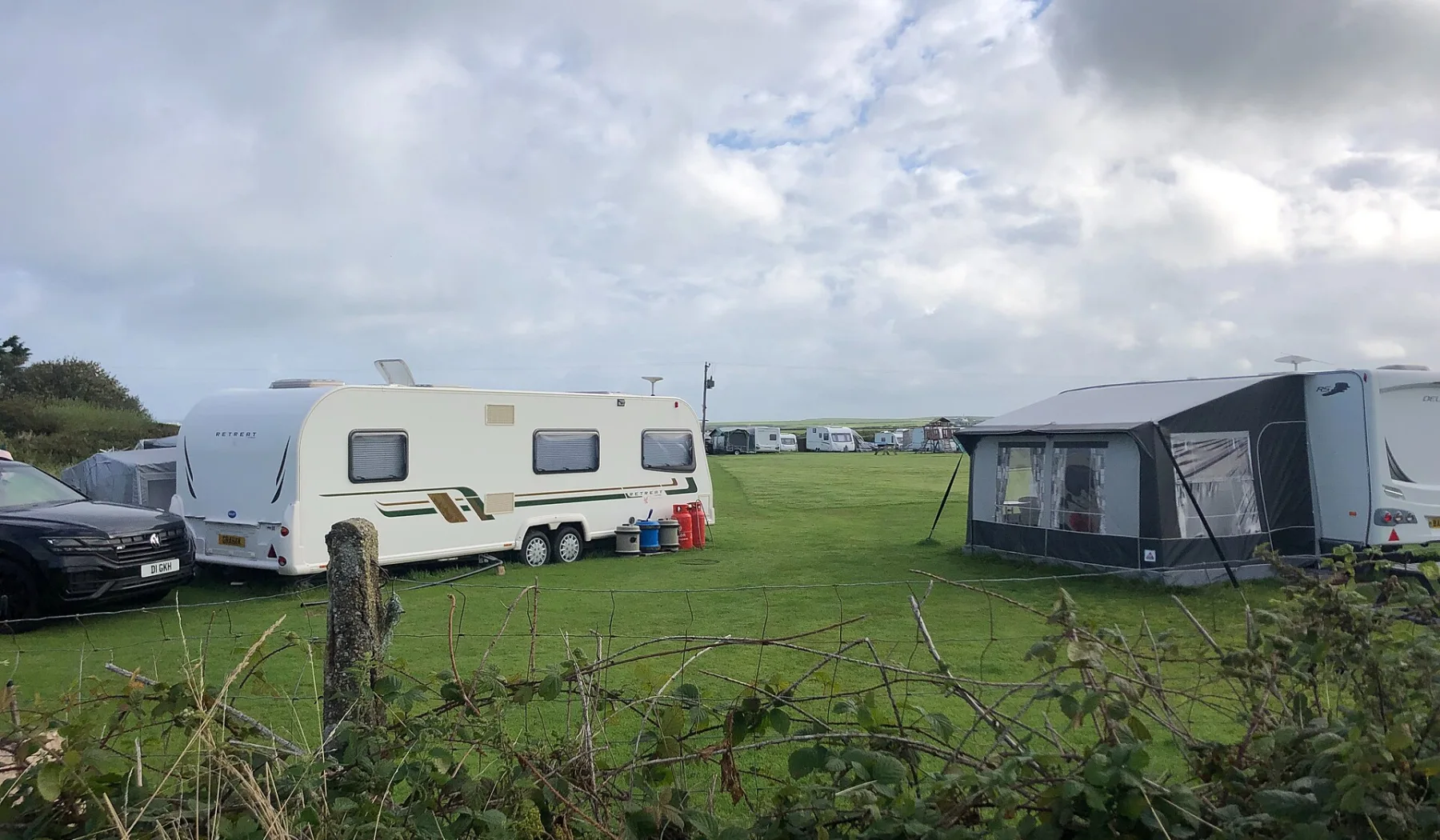
Listings may be located anywhere in Europe. Check the seller's actual location before travelling.
A single-axle van has one axle; a twin-axle design carries its load across two. Suspension, tyres, loading and the tow car still determine how the combination handles.
Tight turns may require more space. Check whether your storage entrance and favourite pitches are suitable. If a motor mover is installed, ensure that it is designed for a twin-axle caravan.
Large twin-axle caravans may require a tow car with greater capability. Confirm maximum authorised mass, noseweight and licence entitlement before making a decision.
Inspect every tyre, including age and signs of uneven wear. Ask for service records covering brakes, bearings and the running gear. Periods of storage can affect tyres even with low mileage.
Twin-axle models frequently offer substantial lounges or separate bedrooms. That may suit longer stays, but frequent short trips could be simpler with a smaller caravan.
Check the chassis, floor and body seals as well as the running gear. Measure the space needed for storage and manoeuvres. An independent inspection is sensible if the history is unclear.
A twin-axle caravan has two axles positioned close together, typically under a relatively large touring body. The load is shared across more wheels, but that does not make every twin-axle model automatically stable or easy to tow. Tyres, suspension, loading and the tow car still affect handling. Compare the precise specifications of the caravan being sold rather than relying on broad claims about having two axles.
A larger twin-axle caravan may be awkward in tight campsites, small driveways and storage yards. Check the turning space at places you frequently visit. If a motor mover is fitted, confirm that it is designed for the axle arrangement and works correctly. Ask the seller to demonstrate it. An attractive spacious interior is less useful if getting the vehicle onto an ordinary pitch becomes a repeated difficulty.
Twin-axle caravans often have relatively high maximum authorised masses. Check the trailer plate, the tow car's permitted towing weight, the noseweight limit and relevant driver entitlement. Allow for water, awnings, bicycles and other equipment. Generous lockers do not mean unlimited payload. A calculation made before purchase is better than discovering on the first holiday that the available carrying capacity is insufficient.
Two axles usually bring additional tyres, bearings and brake components. Inspect all tyres for age, damage and uneven wear. Ask for service records and check whether the brakes and suspension have been maintained. Long storage periods can affect tyres even when the caravan has covered few miles. Maintenance costs may therefore differ from those of a compact single-axle model. The buying budget should reflect this.
Twin-axle designs often provide separate sleeping areas, a generous lounge or a larger kitchen. This may suit extended stays on one campsite. However, people who change location frequently may value a shorter caravan that is easier to handle. Decide whether the additional floor space improves your usual holidays enough to justify the towing and storage requirements. Compare a large single-axle alternative before committing.
Measure the full length including drawbar, the width and the height with roof accessories. Consider the room needed to turn into the storage facility. A long caravan might fit once parked but be impossible to manoeuvre through the gate. Ask about availability and cost before purchasing. Tyres and ventilation also require attention when the van is not in use. Suitable storage is an important part of owning a large twin-axle.
Look at the chassis, both axles, all tyres, brakes and the coupling. Inside, inspect the floor, roof joints and areas behind cupboards for damp. Test a fitted motor mover and ask for its maintenance history. A large and attractive lounge does not guarantee that the running gear is sound. If the caravan has an uncertain past, an independent condition check can help assess the risks.
The better choice depends on your vehicle, driving entitlement and travel pattern. A large twin-axle may provide excellent comfort during long stays, while a single-axle could be more convenient for frequent short trips. Compare maximum mass, payload, bed layout, storage and servicing. Do not choose solely because a caravan has more wheels. The right model should suit how often you move it and where you will keep it.
Purchase price is only one cost. Larger caravans can be more expensive to store, maintain and equip. Tyres, brakes and mover servicing all belong in the calculation. You may also need a more capable tow car. Assess whether the layout improvements justify these expenses. A less elaborate caravan in good technical condition may provide more practical value for the journeys you actually make.
Record the permitted weight, usable payload, tyre age, service history and exact overall dimensions. Check that the tow car can handle the combination and that your storage location is suitable. Try the seating, beds and kitchen while imagining a typical day on site. If every part of the ownership plan makes sense, a twin-axle caravan can be a comfortable choice without unnecessary surprises.
Not necessarily. Loading, tyres, tow car and suspension all matter.
The mover must be suitable for the particular axle configuration.
Listings may be located anywhere in Europe. Check the seller's actual location before travelling.