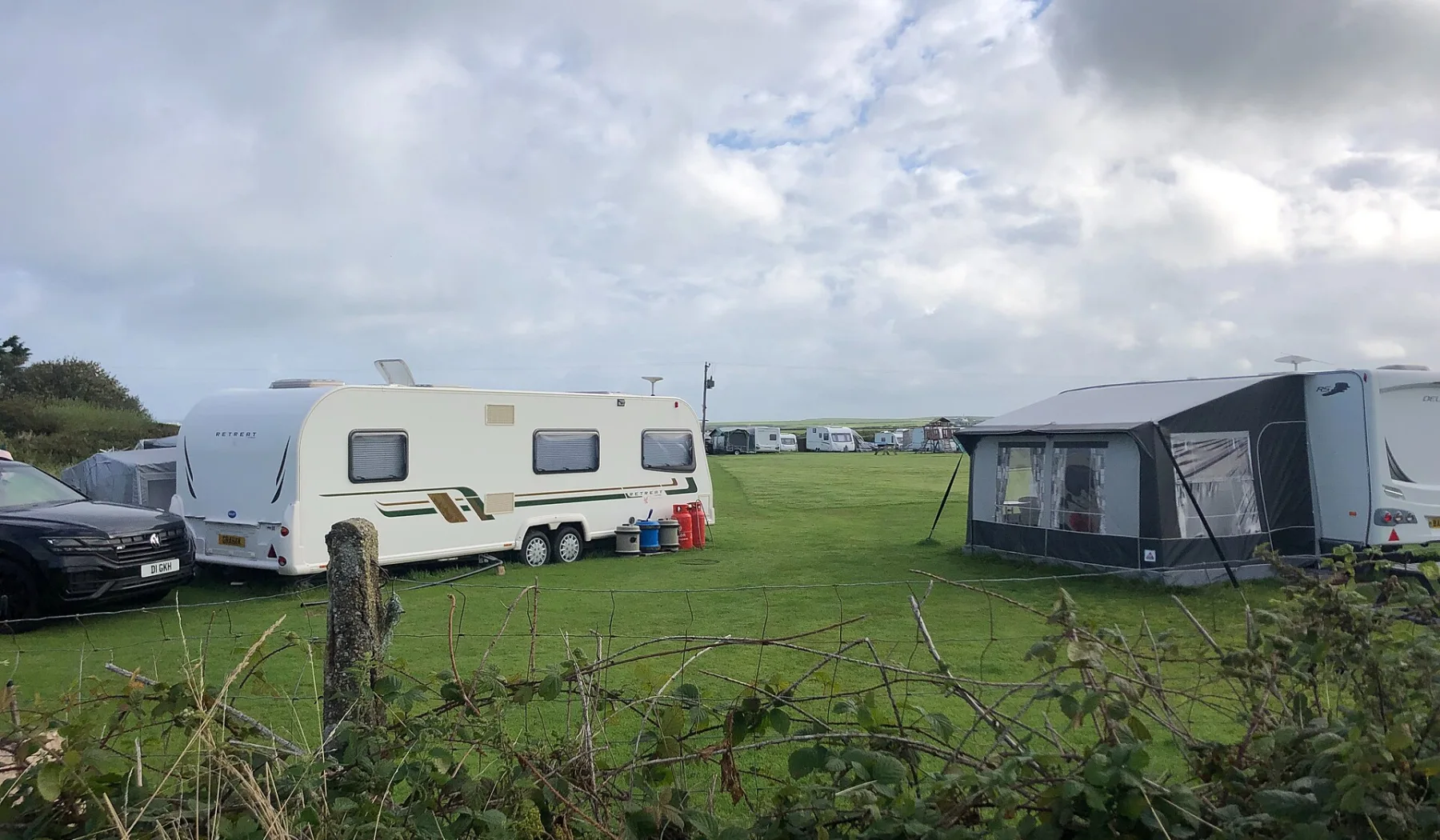
Tourer versus static caravan
Touring caravans use a chassis, coupling and road-running equipment designed for repeated journeys. Static caravans have a different purpose and are not interchangeable for ordinary towing use. Check what is actually being advertised.
Layouts for couples and families
A compact two-berth tourer may offer a comfortable lounge and convertible bed. Families might prefer fixed bunks and a separate sleeping area. Walk around the caravan with beds made up.
Towing and loading
Check the plated maximum mass, tow-car capacity, noseweight and licence rules. Account for holiday equipment and secure heavier items according to the manufacturer's guidance.
Pitching at a campsite
Practise slow manoeuvres and follow the manufacturer's setup instructions. Position the caravan safely and consider access to services, airflow and the space required for awnings.
Inspecting a second-hand tourer
Review tyres, brakes, coupling and body joints. Look for damp around windows, rooflights and the floor. An independent condition check can be valuable when there are warning signs.
Cost over several seasons
Budget for insurance, storage, servicing and optional accessories. A motor mover or awning may be useful but adds weight and cost. Choose equipment around the trips you actually take.
A tourer is built for repeated journeys
A touring caravan is intended to be towed between holiday sites, unlike a static caravan that normally stays in one location. Its chassis, coupling, brakes and road equipment need to be maintained for transport. Check the documents for the actual model being offered. A caravan that has spent years on a permanent pitch may need closer mechanical inspection before being used for regular touring again.
Choose a layout around the people travelling
A couple might prefer a comfortable bed and compact kitchen, while a family may need fixed bunks and more storage. Test the living space with the beds made up. Is the washroom accessible? Can someone cook while another person sits down? When moving sites regularly, a layout that packs away quickly is especially valuable. The biggest caravan is not automatically the most convenient.
Weight and towing compatibility
Check the plated maximum mass, available payload, tow car capacity, noseweight and driver licence rules. Remember that bikes, awnings, water and holiday baggage all add weight. A large under-bed locker should not be loaded beyond the caravan's technical limits. Secure equipment before setting off. A safe towing combination is the starting point for an enjoyable touring holiday.
Arriving and setting up on site
Practise slow manoeuvring in a suitable area before your first busy campsite arrival. Follow the manufacturer's instructions for supports, connections and ventilation. Think about space for an awning and access to the site's facilities. A simple setup routine is particularly helpful if you move every few days. Check the electrics and appliances in a safe manner before heading on a long trip.
Damp is a key issue in used caravans
Inspect windows, rooflights, floor edges and areas behind furniture. A fresh interior can conceal an older leak. Lift mattresses and check the corners for stains, soft areas or musty smells. Ask whether previous damp inspections or repairs are documented. When concerns remain, an independent inspection may be worthwhile. Water damage can affect the value and usability of a tourer far more than worn upholstery.
Tyres and brakes need regular attention
Caravans can spend many months in storage. Tyres still age, and brakes, coupling and electrical lights should be checked before travel. Review maintenance records for a used model and ask when important components were last serviced. Low mileage is not proof of good mechanical condition. Reliable running gear is particularly important for people taking regular weekend trips throughout the season.
The layout matters when it rains
Think about staying indoors for a whole afternoon. Can everyone sit comfortably? Is there a place for wet coats and shoes? Try the kitchen and table with the sleeping arrangements in use. Good ventilation helps reduce condensation. A modest tourer with a well-designed interior can be more pleasant than a larger one where every task requires moving furniture. Plan for your normal travel weather, not just ideal summer days.
Budget for storage and maintenance
Insurance, servicing, tyres and off-season storage are part of the purchase decision. A motor mover, air conditioning unit or large awning may make holidays easier but also adds cost and weight. Measure the space where the caravan will be kept and consider the access route. A lower initial price may be misleading if major repairs or upgrades will soon be needed. Compare total cost of ownership across several candidates.
Touring or staying on one permanent pitch?
If you enjoy visiting different campsites, ease of towing and setting up will matter. If the caravan is likely to remain on one site for most of the year, a larger living area may be more important. Be clear about your plans before choosing between layouts. A conventional tourer is designed for travel, and its road equipment should be maintained even when it is used infrequently.
Make a shortlist with measurable criteria
List the sleeping spaces, maximum mass, payload, bed lengths, kitchen facilities and budget you need. Include service history, evidence of damp and storage requirements. Visit more than one caravan and apply the same checklist to each. This makes the real differences easier to see and helps avoid buying equipment that looks appealing but adds little to your trips. Choose a safe, well-maintained tourer that suits the tow car and the holiday.