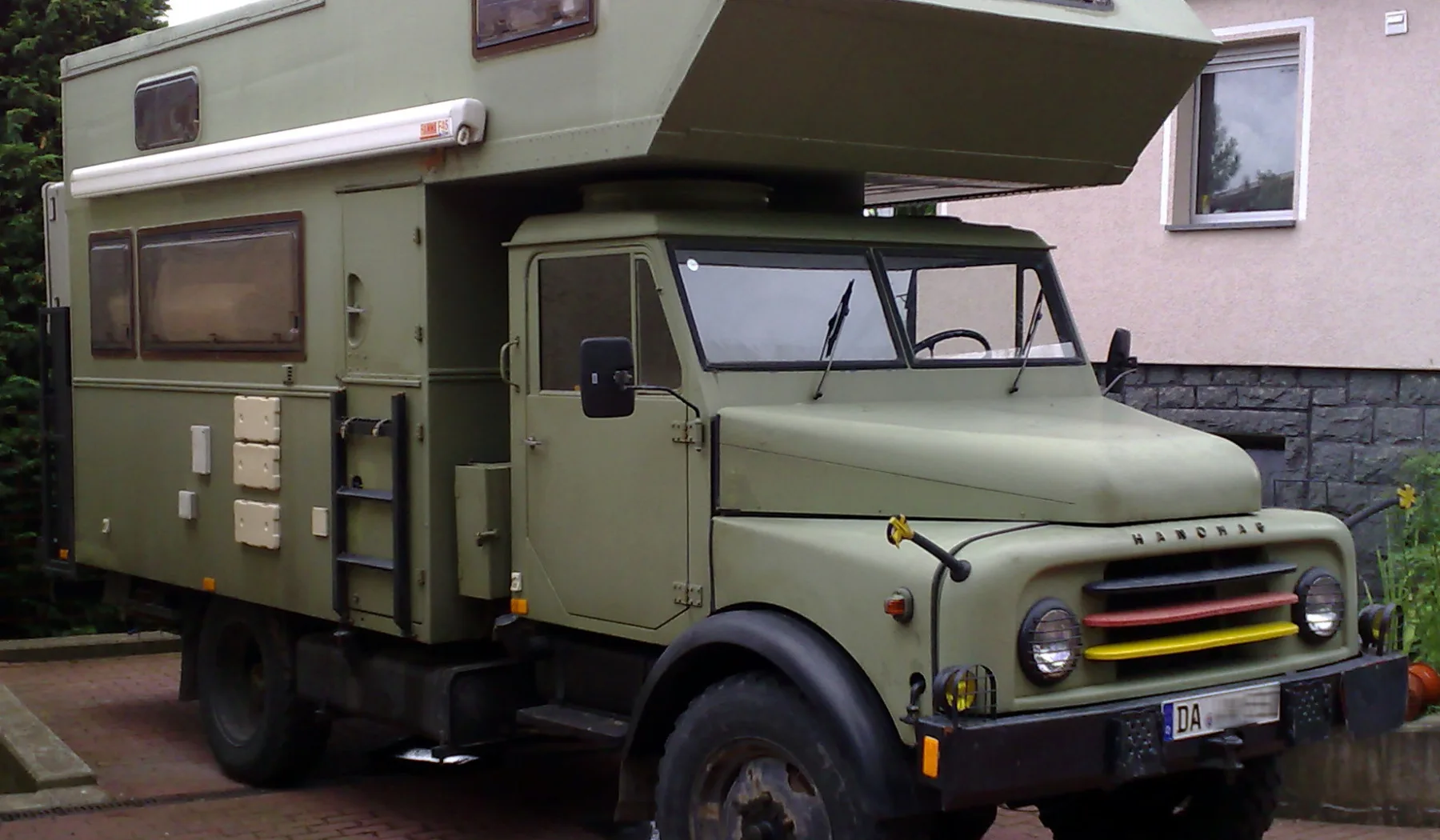
Choosing the base vehicle
Expedition builds can start with a van, truck or special chassis. Examine how the living body is mounted and whether the structure accommodates chassis movement. Size, turning radius and maximum authorised weight affect access to roads, ferries and workshops.
Water, waste and energy
Calculate how long the onboard water supply lasts for the people travelling. Check waste storage, safe heating and the usable capacity of the battery bank. Solar panels can help, but output varies with season and shade. A realistic consumption plan is better than relying on headline figures.
Four-wheel drive is only one factor
Traction depends on tyres and conditions as well as the drivetrain. Ground clearance, overhangs and exposed tanks are important on uneven surfaces. Follow access restrictions and avoid routes beyond the abilities of the vehicle or driver. A heavy camper can still become stuck despite having all-wheel drive.
Repairs away from home
Ask whether common filters, tyres and other service parts can be obtained along the planned route. A unique custom system can be difficult to maintain overseas. Wiring diagrams, installation manuals and clear labelling help identify faults without guessing.
Inspecting a used expedition build
Look for underbody damage, corrosion and wear around the cab-to-body mounting. Have modified gas and electrical systems checked by suitable professionals. Assess any water damage in the habitation unit and test the vehicle on ordinary roads before committing.
Do your trips need an expedition vehicle?
Travelling between established campsites rarely requires a heavy special-purpose truck. A well-maintained van may deliver better economy and road comfort. Buy the equipment that solves real problems on your route, not simply the appearance of adventure.
Define the trip before specifying the vehicle
An expedition motorhome is intended for travel where campsites and workshops may not always be close by. However, many long journeys still use ordinary roads for most of the distance. Decide where you will drive, how often you can obtain water and what local access rules permit. A huge truck-based build can be awkward on ferries and narrow roads. Choose the vehicle that solves the problems of your real route rather than copying the look of adventure photographs.
Build a realistic water and energy budget
An impressive tank capacity does not guarantee useful independence. Estimate drinking, cooking and washing requirements for everyone travelling. Look at freshwater storage, the safe disposal of wastewater and protection against freezing. For electricity, calculate the use of refrigeration, heating fans and charging devices against the battery's usable capacity. Solar output changes significantly with season and shade. Clear calculations are more useful than optimistic claims about staying off-grid for unlimited periods.
Four-wheel drive has limitations
Four-wheel drive can help traction in some conditions, but tyres, ground clearance, overhangs and total mass still determine what is possible. Inspect exposed tanks and other components beneath the vehicle. Follow road and land-access rules at every destination. A heavy motorhome may be difficult to recover if it becomes stuck. Do not assume that dramatic marketing images demonstrate safe capability. Planning suitable routes and turning back when conditions change are important parts of responsible touring.
Inspect the chassis and habitation mounting
Some expedition builds use a separate living box mounted on a truck chassis. The connection must suit the movement and design of the base vehicle. Ask who constructed it and whether engineering documents are available. Look for corrosion, damage around mounting points and cracks in the body. A rugged appearance can conceal poorly executed modifications. If the history is unclear, a qualified inspection of the chassis and habitation structure can be particularly valuable.
Repairs matter more than rare equipment
Before a long trip, consider whether routine filters, tyres and mechanical components can be found along the route. Custom accessories may be impressive but difficult to service in a remote region. Ask for wiring diagrams, equipment manuals and records of previous alterations. A neatly labelled electrical installation is easier to investigate than an undocumented collection of connections. Dependable, repairable systems often offer more practical value than numerous unusual gadgets.
Cold weather and hot climates demand different solutions
A vehicle built for hot destinations may have excellent ventilation but inadequate protection for exposed water pipes in prolonged frost. A winter-focused build may prioritise insulation and heating distribution. Find out the operating temperature limits of the batteries, appliances and water system. Choose equipment that suits the actual climate of your journeys. No expedition motorhome should be assumed suitable for every environment merely because it looks particularly robust.
Mechanical condition of a used expedition build
Examine the underside, frame, axles, suspension and tyres. Ask about long-distance use, repairs and modifications to the drivetrain or habitation body. Inside, check damp, ventilation and the condition of gas and electrical equipment. Have the seller demonstrate the systems and complete a normal road test. Where alterations are undocumented, a professional inspection can help identify issues that are not obvious from a tidy interior or a list of expensive accessories.
Do not overlook ordinary driving comfort
Long expeditions often include many days of highway travel. Try the driver's seat, steering, visibility and noise levels during a suitable test drive. A high and heavy vehicle can be more tiring to manage than a smaller motorhome. Confirm the number of approved travel seats and any licence implications of the maximum weight. Living comfortably when parked is important, but the base vehicle also needs to be safe and manageable on the long stretches between destinations.
Is specialist expedition equipment necessary?
For journeys between established campsites, a reliable campervan or conventional motorhome may provide simpler servicing and better everyday flexibility. Large specialist vehicles can require higher running costs, more storage space and different driver entitlements. List the specific situations in which additional ground clearance, water storage or special construction would make a meaningful difference. If those situations are rare, a simpler and well-maintained vehicle may be the stronger choice.
Keep travel plans responsible and adaptable
Independent travel still requires lawful parking, appropriate waste disposal and respect for protected landscapes. Check restrictions before entering tracks or remote locations. Allow alternative stops in case weather worsens or a service point is unavailable. Keep important equipment instructions accessible and consider the distances between ordinary workshops. Preparation is not about taking greater risks; it is about travelling with a vehicle and supplies suited to the conditions you have planned for.