

Selling a motorhome privately in the UK: adverts and V5C
Selling a motorhome privately can give you direct contact with buyers interested in the model you have used. A successful advert should go beyond photographs of a tidy seating area. The buyer needs evidence of the.
Selling a motorhome privately can give you direct contact with buyers interested in the model you have used. A successful advert should go beyond photographs of a tidy seating area. The buyer needs evidence of the vehicle's identity, condition and servicing, while you need a clear record of what is being sold and how the transfer will take place.
Collect the facts before listing
Check the make, model, year, mileage, weight and number of approved travel seats. List installed equipment and identify which accessories are included. Separate permanent features from loose items that you may want to keep. A clear description of known faults and past repairs can save repeated questions.
Take useful photographs
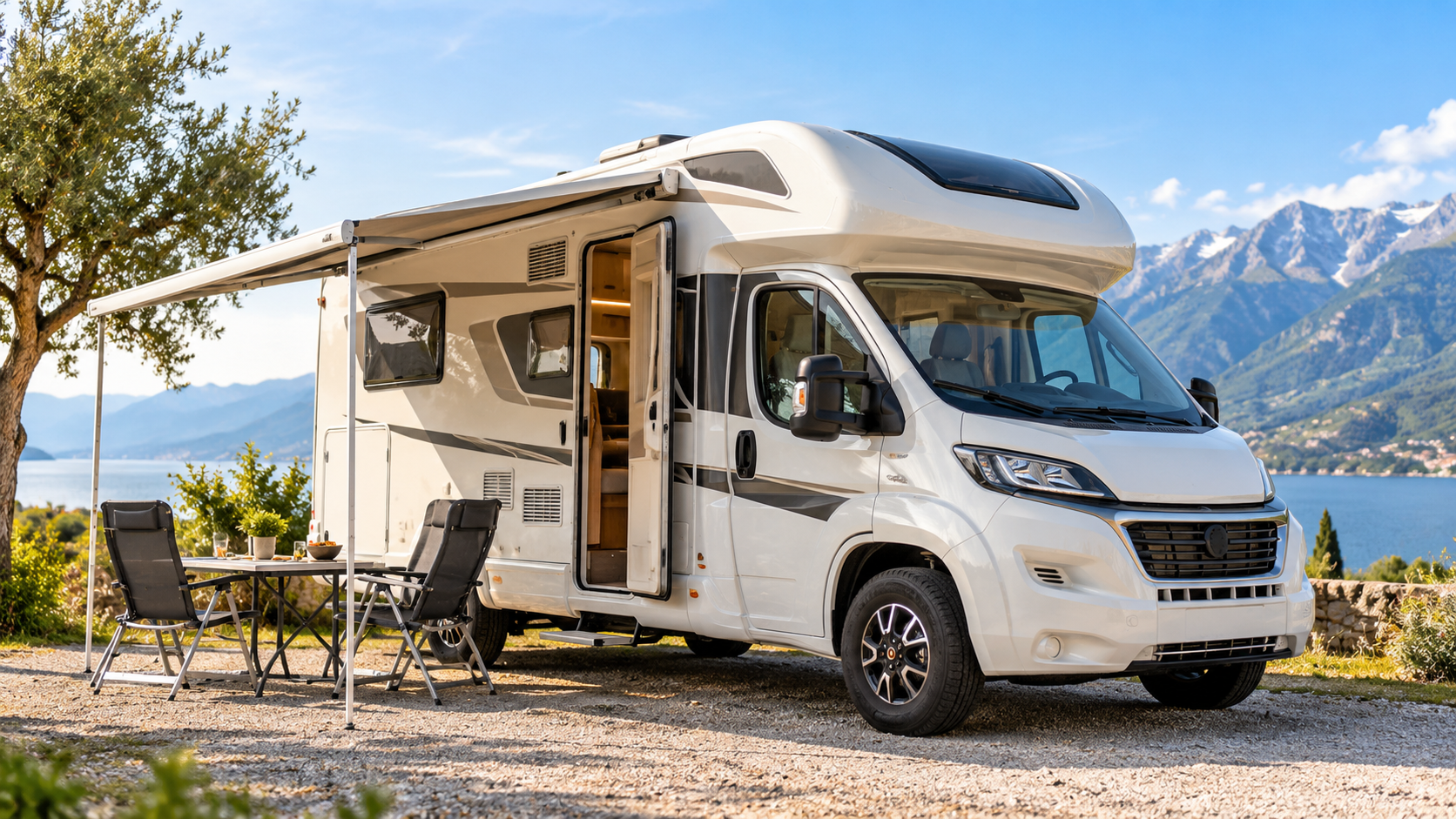
Show all sides of the vehicle, dashboard, beds, kitchen, washroom and storage. Photograph relevant wear or damage honestly. Buyers may want to see details around windows, roof attachments and the floor because damp issues can be expensive. Fresh photographs are more reliable than pictures taken on an old holiday.
Set a defensible asking price
Compare motorhomes of similar age, condition, base vehicle and layout. Asking prices do not prove what similar vehicles eventually sell for. Consider tyre condition, servicing, equipment and any upcoming repairs. Keep supporting invoices together so that buyers can understand how the vehicle has been maintained.
Prepare the V5C and history
Check the current GOV.UK guidance on selling a vehicle and informing DVLA. Make sure the registration and VIN information matches the motorhome. Explain what service and habitation paperwork is available. Do not share more personal information online than necessary, but provide appropriate documentation during a serious viewing.
Agree payment and collection carefully
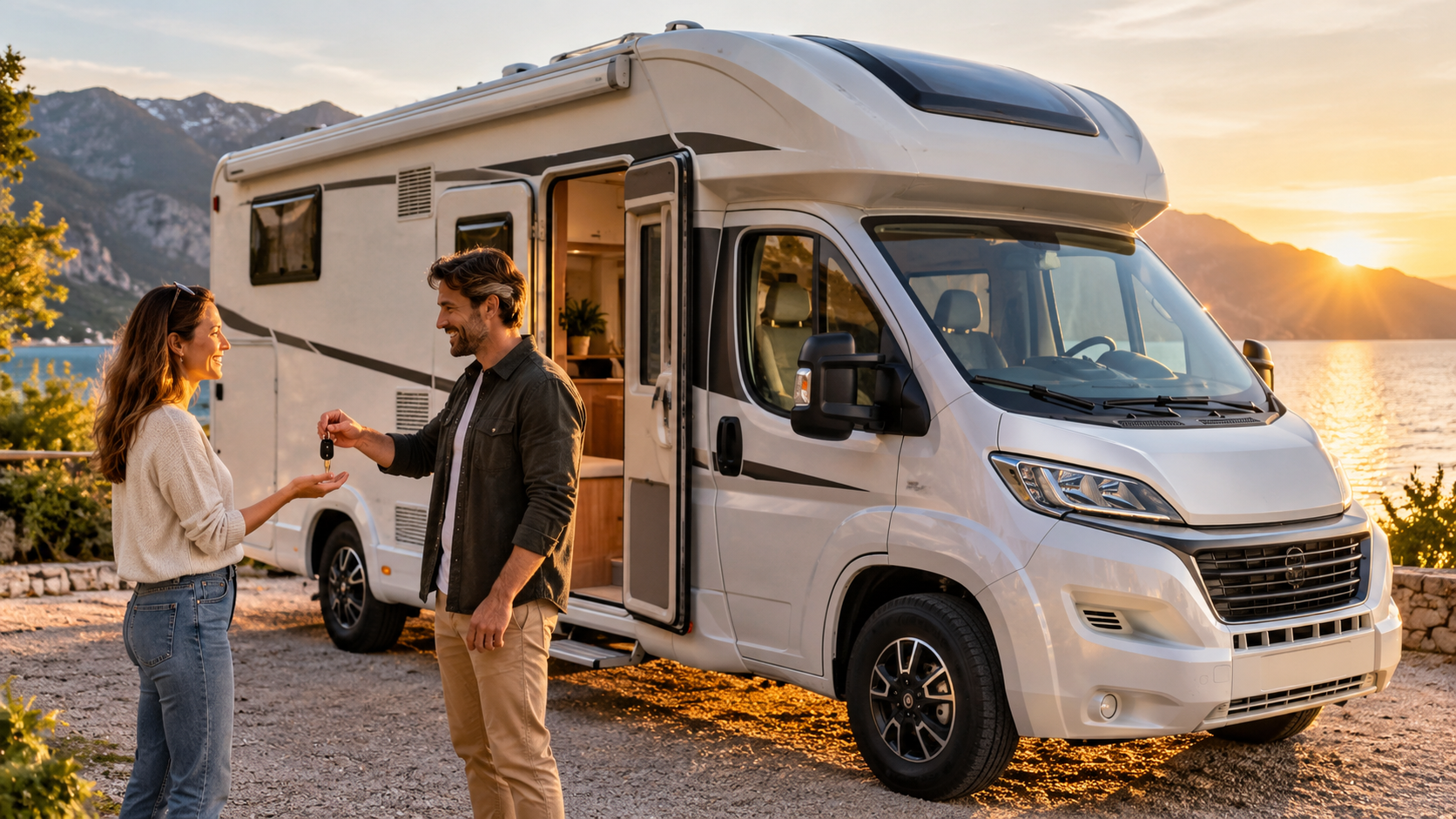
Arrange viewings in safe conditions and confirm insurance before any test drive. Put the purchase terms, included equipment, known defects and handover date in writing. Follow the correct DVLA notification process after the sale. Campspot selling options can offer another advert channel, subject to its current geographical availability.
What serious buyers usually ask first
A prospective buyer often wants to know the number of previous keepers, recent repairs, MOT history and whether damp has been checked. They may also ask about the number of approved seatbelts, payload and the true vehicle height. Preparing honest answers can save an unnecessary journey. If you do not know something, say so rather than guessing. Keep personal information secure while still enabling the buyer to verify the vehicle appropriately during a genuine viewing.
Do not overlook the post-sale steps
When the sale is agreed, confirm the payment arrangement, collection date, keys and documents included. Follow the official DVLA process for reporting the new keeper or sale as applicable. Remove adverts after completion and keep an appropriate record of the handover. If the buyer needs to drive away, insurance, licence entitlement and legal vehicle status should be resolved before departure. Clear closing steps prevent confusion after the vehicle has left your possession.
A practical checklist
- Current images accurately show condition
- Weight and approved seats are stated
- V5C and servicing information are ready
- Sale and DVLA steps are understood
Explore related guides
You may also find it useful to read Buying a used motorhome in the UK: V5C, damp and payload and Selling a used caravan privately in the UK: photos and price. Both articles explore different practical questions.
Frequently asked questions
What paperwork matters when selling?
V5C details, service history, inspection records and written sale terms.
Should I disclose known defects?
Yes. A clear account of the condition is important for an honest transaction.
When should I notify DVLA?
Follow the current official process when the vehicle changes keeper.
Explore more information in the Campspot guides and check the current terms that apply to your particular situation.