

Buying a used motorhome in the UK: V5C, damp and payload
Buying a used motorhome in the UK means assessing two things at once: the road vehicle and the living accommodation built into it. A current MOT, attractive photographs and a pleasant interior can all be reassuring,.
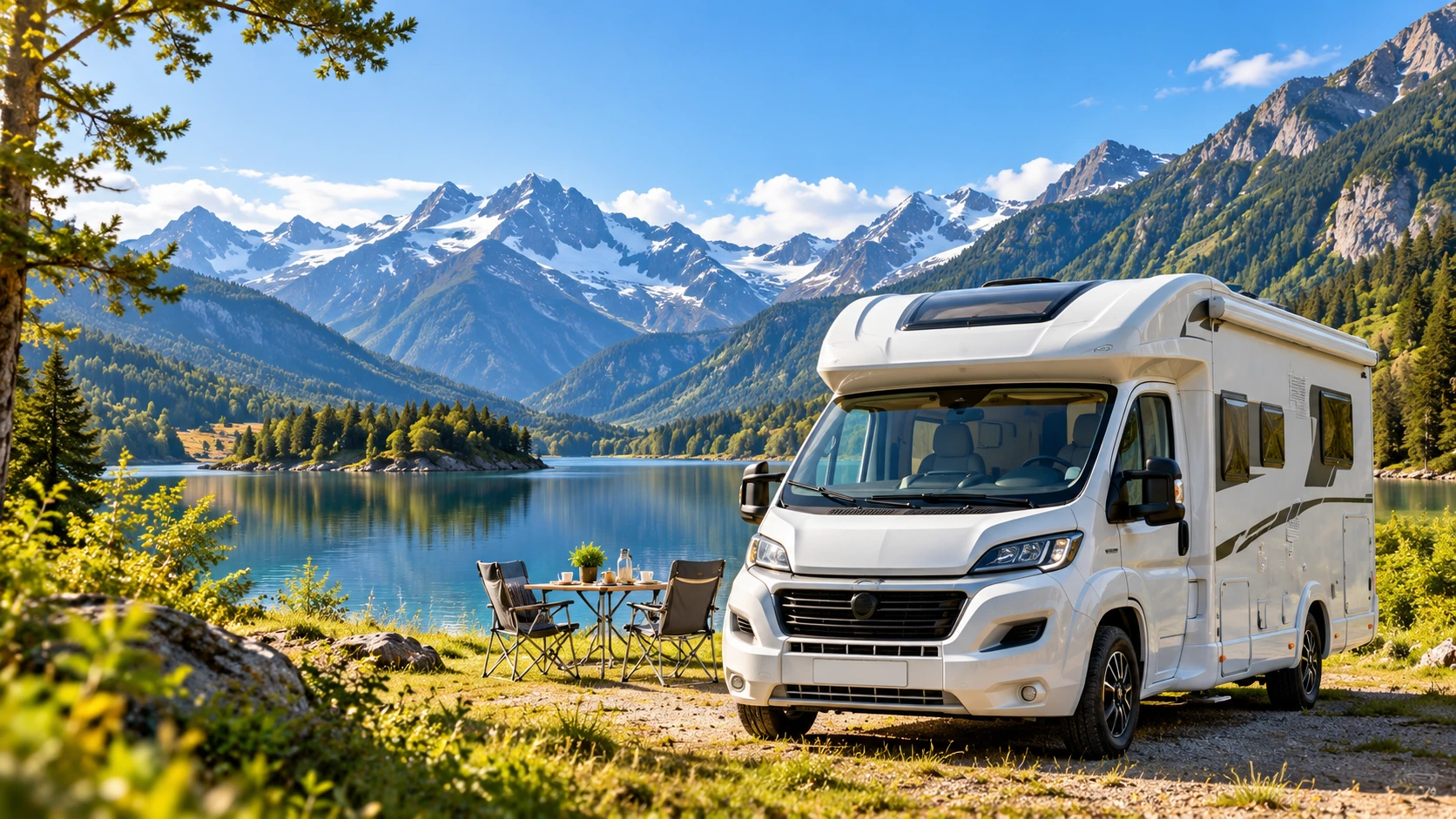
Buying a used motorhome in the UK means assessing two things at once: the road vehicle and the living accommodation built into it. A current MOT, attractive photographs and a pleasant interior can all be reassuring, but none guarantees that the vehicle is a good fit for your travels. A structured approach helps you compare layouts, paperwork, weight and condition before committing to a purchase.
Choose a layout for real journeys
A compact campervan may suit a couple who move frequently, while a coachbuilt motorhome can offer a fixed bed and separate washroom. Think about where you will park, the height of the vehicle and the luggage you typically carry. Check the number of legally approved travel seats independently from the number of berths. A four-berth advert does not automatically mean that four people can travel in approved seats.
Check V5C and MOT information
Ask for the registration number and inspect the official records that are available. A UK seller should be able to explain the V5C registration document and relevant service history. Use the GOV.UK MOT history service as one source of information. Compare recorded mileage and advisories with the advert. The MOT does not assess every aspect of the habitation body.
Treat damp as a separate risk
Water can enter around rooflights, windows, doors or attachments, sometimes leaving damage that is difficult to see in photographs. Examine corners and the floor, ask about past repairs and request any available damp test reports. An independent moisture check may be worthwhile, particularly on an older vehicle. A clean interior alone cannot prove that the structure is sound.
Payload and licence rules
The vehicle's maximum authorised mass sets a limit that includes travellers, luggage, water and equipment. Accessories such as awnings, bike racks and extra batteries can reduce remaining payload. Review the registered figures and consider a weighbridge check if necessary. The driver's licence entitlement must match the vehicle; do not rely solely on a seller's reassurance.
Viewing, inspection and written terms
Allow time to test heating, water, fridge, lighting and interior equipment in a suitable manner. Compare the VIN with the paperwork and identify who is selling the vehicle. If you are uncertain about mechanics or habitation systems, seek a professional inspection. Browse motorhome adverts on Campspot while checking the vehicle's actual location and any UK import implications.
Why a viewing should last longer than a short drive
A motorhome can appear satisfactory during a ten-minute drive while still having problems with its living systems. Allow time to examine the washroom, kitchen, water pump and heating. Ask the seller to demonstrate the equipment safely, and inspect the accessible edges of floors and openings. If a recent damp report is available, read which areas it covered and the date of testing. A seller's verbal assurance that a vehicle has always been dry does not replace evidence. An independent inspection may be worth the cost when the purchase represents a significant investment.
Build a realistic first-year ownership budget
Purchase price is only the beginning. Think about insurance, vehicle servicing, tyres, maintenance of the habitation area, storage and any accessories that are not included. If the motorhome is a long distance away, collection and travel costs also matter. Compare similar models and note the work each will need soon. The cheapest advert might become the most expensive option after repairs. A written shortlist provides a clearer picture than trying to remember several very different vehicles.
A practical checklist
- V5C and identification details match
- Habitation and damp have been assessed
- Weight and belted seats suit the travellers
- Purchase terms and future costs are understood
Explore related guides
You may also find it useful to read Buying a used touring caravan in the UK: towing weights and damp and Selling a motorhome privately in the UK: adverts and V5C. Both articles explore different practical questions.
Frequently asked questions
Does a current MOT prove a motorhome is damp-free?
No. Damp and habitation checks are separate from an MOT.
What is payload?
The remaining weight capacity available for people, luggage and equipment within the vehicle's legal limits.
Should I buy from a trader or a private seller?
Either may suit, but different terms and consumer rights can apply; check the written agreement.
Explore more information in the Campspot guides and check the current terms that apply to your particular situation.