Camping spots for motorhomes and caravans: how to choose
Not all camping spots are suitable for every motorhome or caravan. Learn how to compare pitch sizes, access, facilities, rules and total costs.
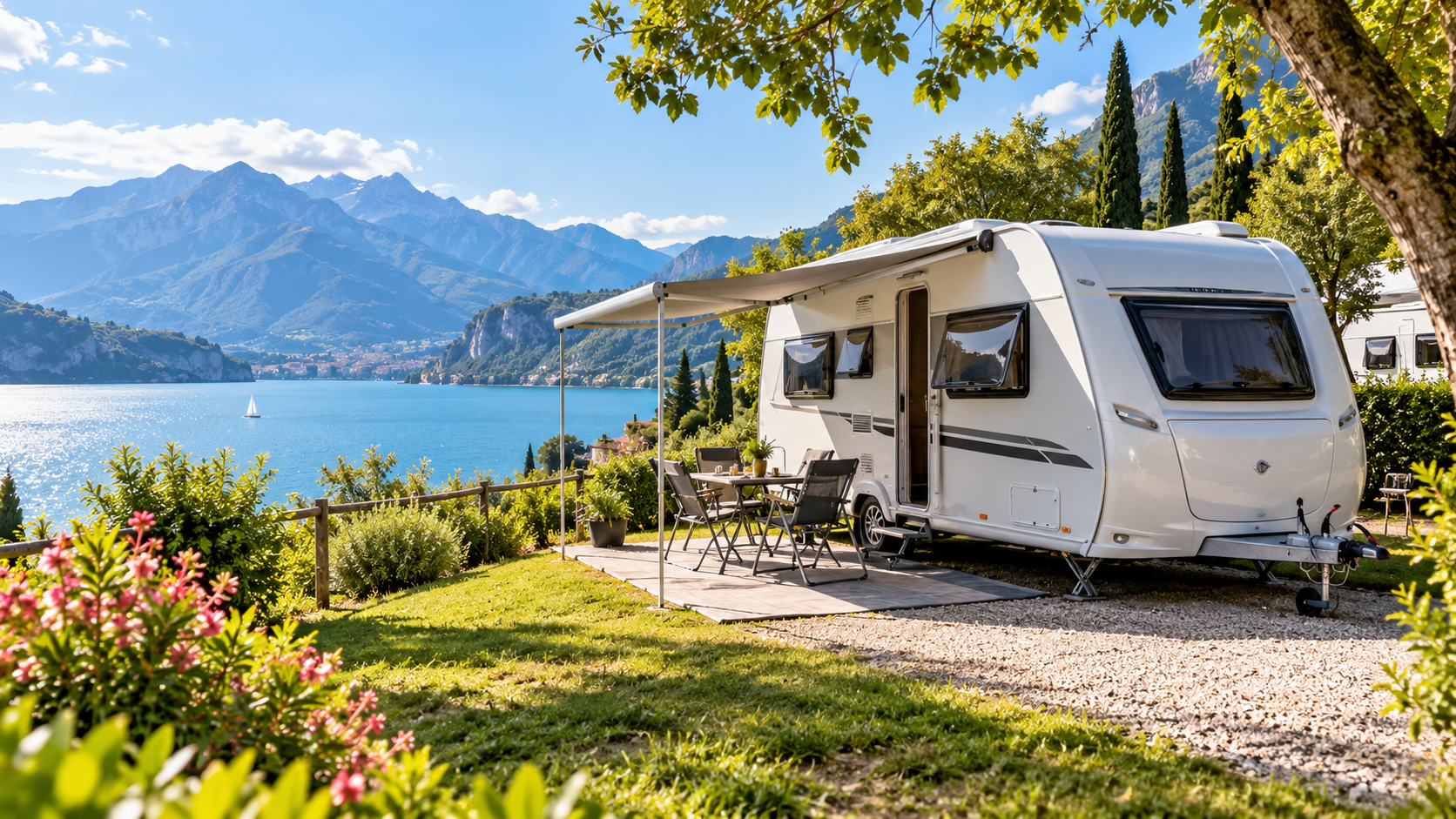
Finding appealing camping spots is about more than choosing a photograph with a mountain, lake or sea view. A comfortable place to stay must suit your vehicle, your travel plans and the facilities you actually need. A touring caravan can require a different pitch from a compact campervan, while a large motorhome may need extra space for manoeuvring. Before committing to a location, check practical details that are easy to overlook when browsing destinations.
This guide explains how to compare camping spots across the UK and Europe. It covers access, pitch types, facilities, pricing, local rules and the questions worth asking a campsite directly. Campspot.eu is a camper and caravan listings and information platform, not an online campsite-booking service. You can use our guides to plan your trip and browse motorhome and caravan listings when you are considering a vehicle for future journeys.
1. Choose a camping spot that fits your vehicle
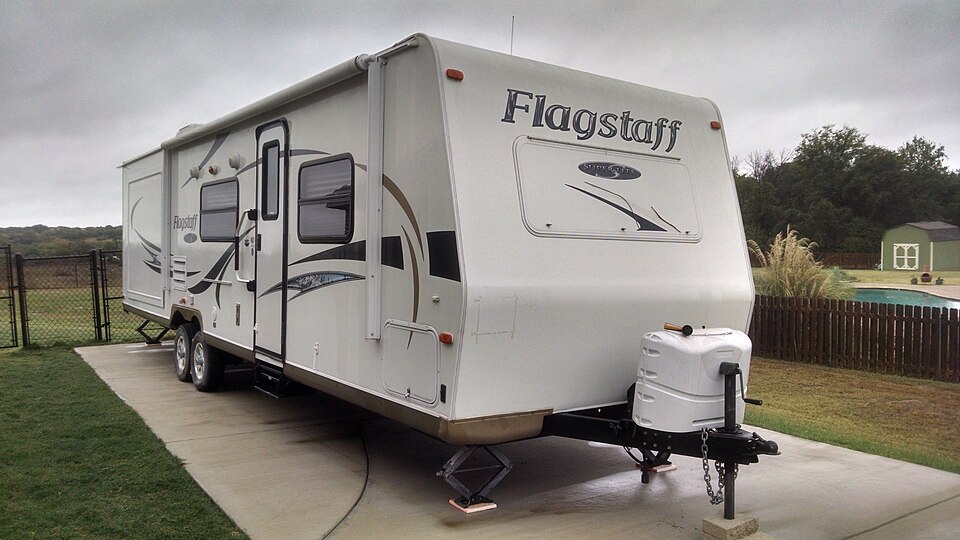
Start with the length, width and height of your camper, motorhome or touring caravan. A site that accepts campervans may not automatically have pitches large enough for longer motorhomes or car-and-caravan combinations. Check any stated maximum vehicle dimensions and whether an awning, canopy or separate car needs its own space. If you tow a caravan, ask about turning room and whether you can position the caravan without obstructing neighbours.
Surface conditions matter as much as dimensions. Firm, level hardstanding can be reassuring in wet weather; grass pitches may feel more natural but can become difficult for heavy vehicles after prolonged rain. Ask whether levelling ramps are permitted and whether a fully serviced pitch differs from a standard one. A good camp spot combines a suitable surface with manageable access.
2. Compare the main types of camping spots
Traditional campsite pitches, motorhome stopovers and basic rural camping areas serve different purposes. A full-service campsite may have toilets, showers, electric hook-ups, washing facilities and a reception. A designated motorhome stopover may focus on a short overnight stay with limited amenities. Some places provide a quiet field or basic pitch, while others include leisure facilities and organised activities.
Decide what you want from the stay. For a one-night journey break, straightforward access and safe parking may matter most. For a family holiday, you may prefer space, sanitary facilities, local activities and transport connections. For a remote trip, consider how you will obtain drinking water and handle wastewater. Check whether the location actually accepts your type of vehicle.
3. Look beyond the scenery: access and arrival
Beautiful camping spots sometimes involve narrow approach roads, low bridges or steep entrances. A route that feels easy in a small car may be unsuitable for a wider motorhome or a long caravan outfit. Before departure, review vehicle-aware directions, entrance photographs and arrival instructions supplied by the site. Use official road signs and restrictions rather than trusting navigation software alone.
Confirm check-in times, late-arrival arrangements and whether the entrance can accommodate your turning circle. If you plan to arrive after dark, identify an alternative stop in case the reception is closed. Do not block access roads or neighbouring properties while checking in.
4. Work out which facilities you genuinely need
Electric hook-up is useful for many travellers but not every vehicle requires it every night. Confirm the connection type, whether electricity is included in the pitch price and whether there are usage conditions. Ask about fresh water, grey-water disposal and chemical-toilet facilities if relevant. Never assume you can empty tanks into ordinary drains.
Other considerations include accessible facilities, pet policies, showers, food shops, public transport, mobile coverage and laundry. If you work while travelling, mobile signal or reliable connectivity may be more important than entertainment facilities. If you have accessibility requirements, contact the site and ask specific questions about surfaces, slopes and distance to amenities.
5. Calculate the true cost of a camping spot
A headline nightly rate may exclude electricity, additional occupants, pets, a second vehicle, an awning or local visitor taxes. Compare the total cost for your exact dates and party rather than assuming that the lowest advertised figure is the cheapest stay. In busy periods, minimum-night rules and cancellation conditions can make a difference.
Take care with deposits and booking terms. Check the site's own cancellation policy, refund rules and accepted payment methods before committing. If a price looks unusually low, verify that the campsite and payment page are genuine. Keep a copy of your booking confirmation and the terms you agreed to.
6. Check rules on overnight parking and camping
Finding a place where you may park is not the same as finding one where you may camp overnight. Restrictions vary between countries, regions, public roads, private land, parks and individual sites. The permission to leave a vehicle overnight may not include extending awnings, setting out chairs, cooking outdoors or using facilities. Always check current local signs, landowner permissions and relevant official guidance.
When in doubt, choose an authorised campsite or designated overnight area. Avoid obstructing gates, farm tracks and emergency access. For a detailed comparison of parking, stopovers and campsite pitches, read our companion guide to camp spots versus motorhome stopovers.
7. Consider the season and the surrounding area
The best camping spots for a summer holiday may not be the best choice for an autumn journey. Look at seasonal opening dates, heating and electric availability, drainage and local weather exposure. Some scenic sites close outside peak months or reduce facilities in quieter periods. Coastal wind and mountain conditions can affect comfort even when a destination looks peaceful in photographs.
Think about the local area too. If you want to explore without moving your motorhome every day, prioritise walking routes, cycle links or public transport. Travelling with a caravan may give you a separate tow car for day trips. Travelling in a compact campervan might make frequent short stops easier.
8. Make camping spots part of a sensible travel route
Plan a route around realistic driving times rather than the maximum number of attractions. Motorhomes can travel more slowly on winding roads, and finding a safe place to park for sightseeing may take longer than expected. Alternate longer travel days with shorter stages and allow time for rest, shopping and vehicle checks.
For a UK example, our guide to motorhome hire and route planning in Scotland explains why flexible distances help in the Highlands. If you are considering a touring caravan, our Lake District caravan hire guide covers collection, towing and delivery arrangements.
9. Read reviews critically and ask clear questions
Reviews can help you understand noise, cleanliness, staff communication and site maintenance. Focus on recent, specific comments rather than a single extreme rating. A review from a tent camper may not tell you whether a motorhome pitch is level or whether a large caravan can negotiate the entrance. Look for comments from people travelling in a vehicle similar to yours.
Before booking, ask the site: Is my vehicle length accepted? Is the selected surface suitable in wet weather? What is the full price? Is hook-up included? What happens if I arrive late? Are there restrictions on pets, awnings or generators? Clear answers make it easier to choose a site that fits your plans.
10. Keep the site clean and respect other campers
Use authorised waste-disposal points, respect quiet hours and keep shared spaces clear. Avoid damage to grass and sensitive ground, and follow local instructions for fires and cooking equipment. Leave the pitch as you found it and be considerate when arriving early or leaving late. Responsible behaviour helps keep rural and scenic locations welcoming to future travellers.
Before departing, secure exterior equipment, close windows and roof lights, disconnect hook-ups correctly and check that nothing remains beneath the vehicle. Taking a few minutes for a departure checklist can prevent avoidable damage.
Choosing a vehicle for your preferred camping spots
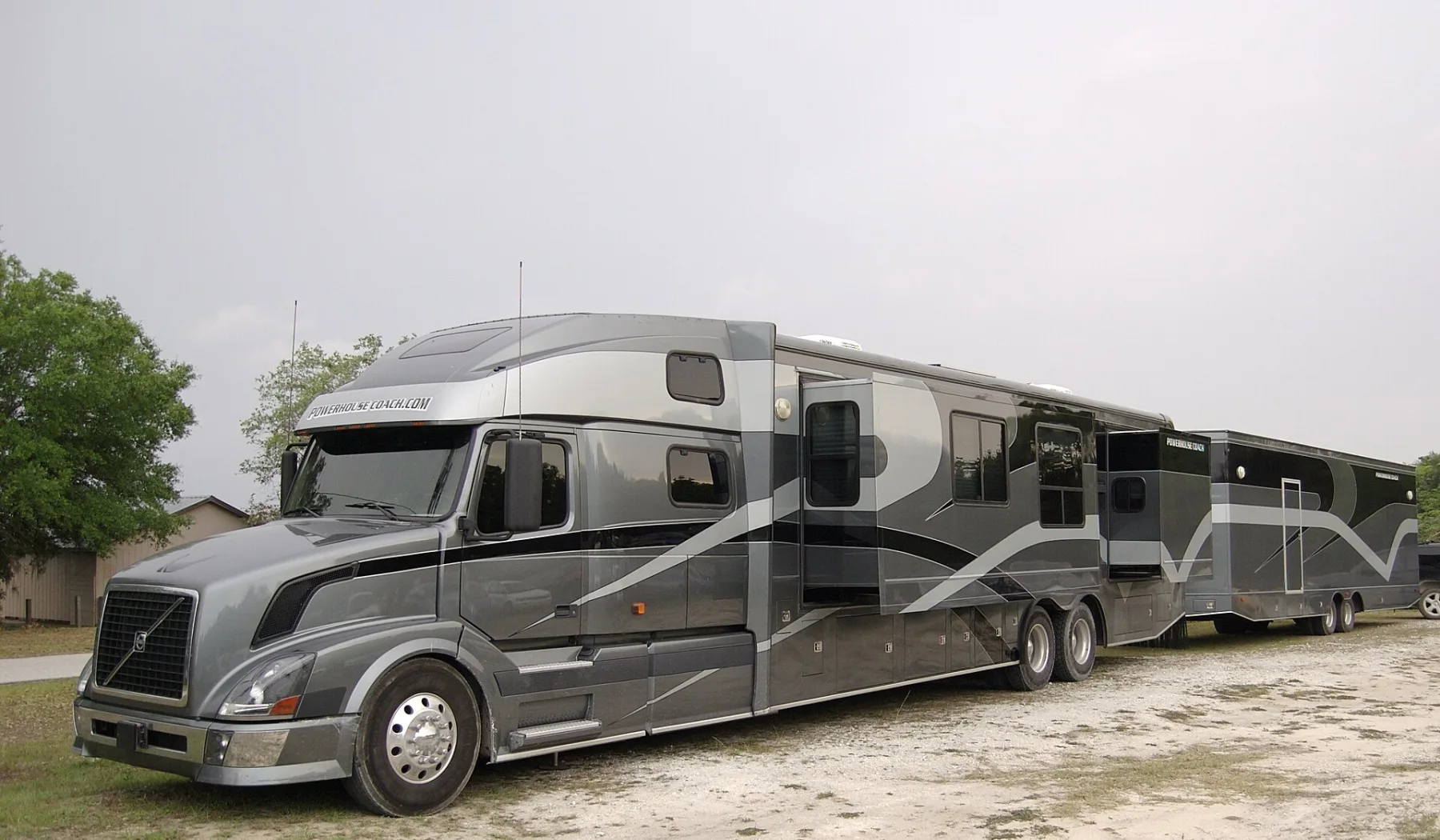
Where you like to stay should influence what you drive. Compact campervans can be convenient on narrow routes, while larger motorhomes may offer additional living space when you spend several nights in one place. Touring caravans can suit travellers who prefer a fixed base and day trips by car. Compare payload, seatbelts, sleeping arrangements, maintenance and total ownership costs rather than choosing from photos alone.
If you are exploring options, start with vehicles for sale, review rental opportunities or read about motorhome and caravan storage for the months when you are not travelling. Campspot.eu connects people with vehicle listings and related information; confirm availability and terms directly with each advertiser.
Frequently asked questions about camping spots
What is the difference between a campsite pitch and a motorhome stopover?
A campsite pitch is usually part of a managed camping site and may include facilities. A motorhome stopover often offers shorter stays and fewer services. Check the rules and services of each location.
Are all camping spots suitable for touring caravans?
No. Check towing access, pitch dimensions, surface, vehicle rules and space for your tow car before travelling.
Can I book camping spots through Campspot.eu?
No. Campspot.eu focuses on camper and caravan listings, rental information, storage and practical guides. Contact a campsite or its authorised booking service directly for pitch reservations.
Is wild camping allowed anywhere in Europe?
No. Rules differ by location and land type. Check local restrictions and obtain the permission required before staying overnight.
How do I find camping spots for a large motorhome?
Look for sites that explicitly publish suitable vehicle dimensions and pitch types. Contact the operator if the information is unclear, especially when you have an extended body or rear overhang.
Next step: save a shortlist of suitable locations, check their terms directly and match the route to the vehicle you intend to use. For more ownership and travel advice, explore the English Campspot guides.