Camp spot vs motorhome stopover: where can you stay overnight?
A camp spot, a campsite pitch and a motorhome stopover are not always the same. Understand overnight parking, facilities and local rules.
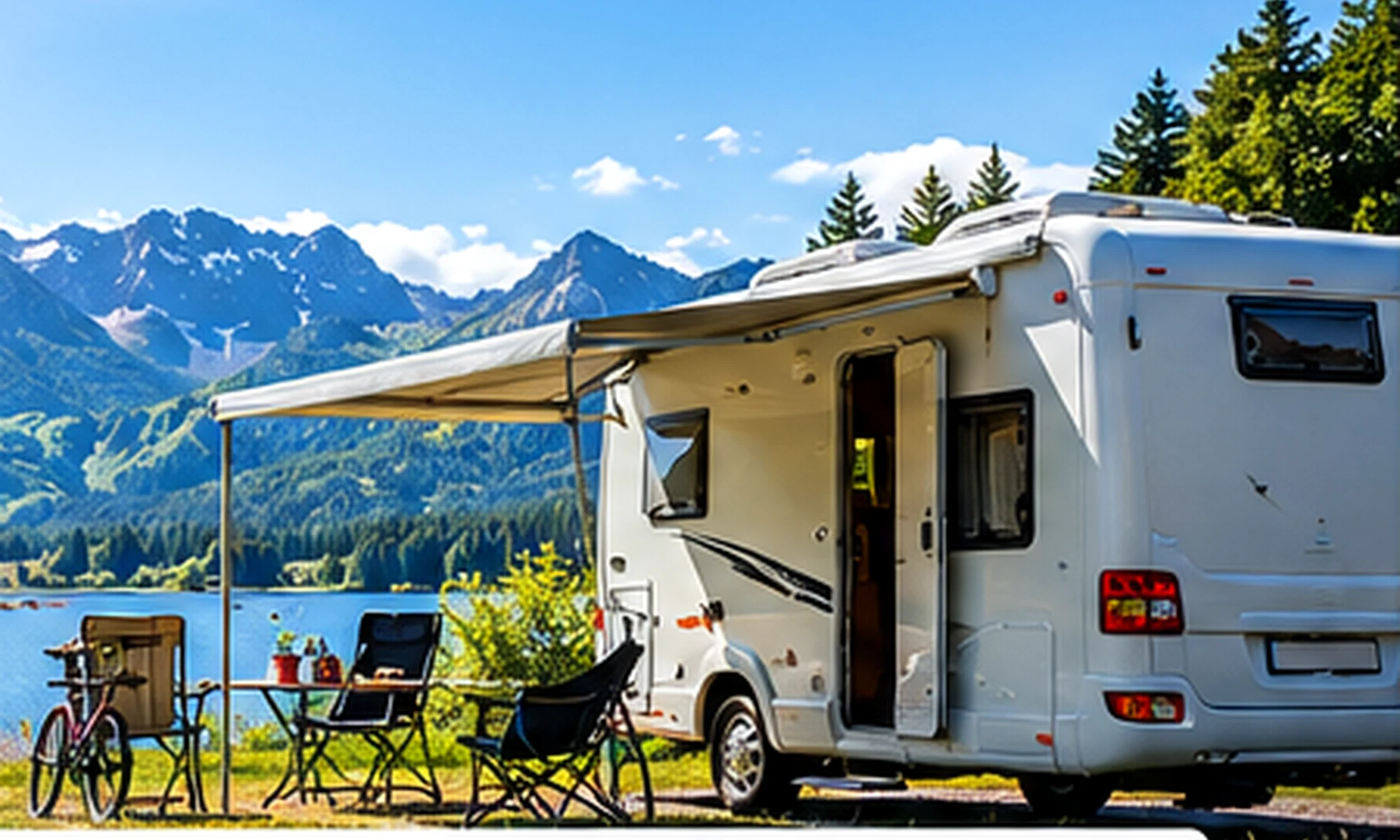
A scenic camp spot can look like the perfect place for an overnight break, but the words used online are not always precise. Travellers might use “camp spot” to describe a fully equipped campsite pitch, an authorised motorhome stopover or simply a place where they hope to park. These are different arrangements, and the difference matters when you are travelling in a campervan, motorhome or touring caravan.
This guide explains how to choose a legal, practical overnight location without assuming that every car park or roadside viewpoint permits camping. It is written for people planning UK or European road trips. Local restrictions can change, so always confirm the rules at your destination before you arrive.
What does “camp spot” actually mean?
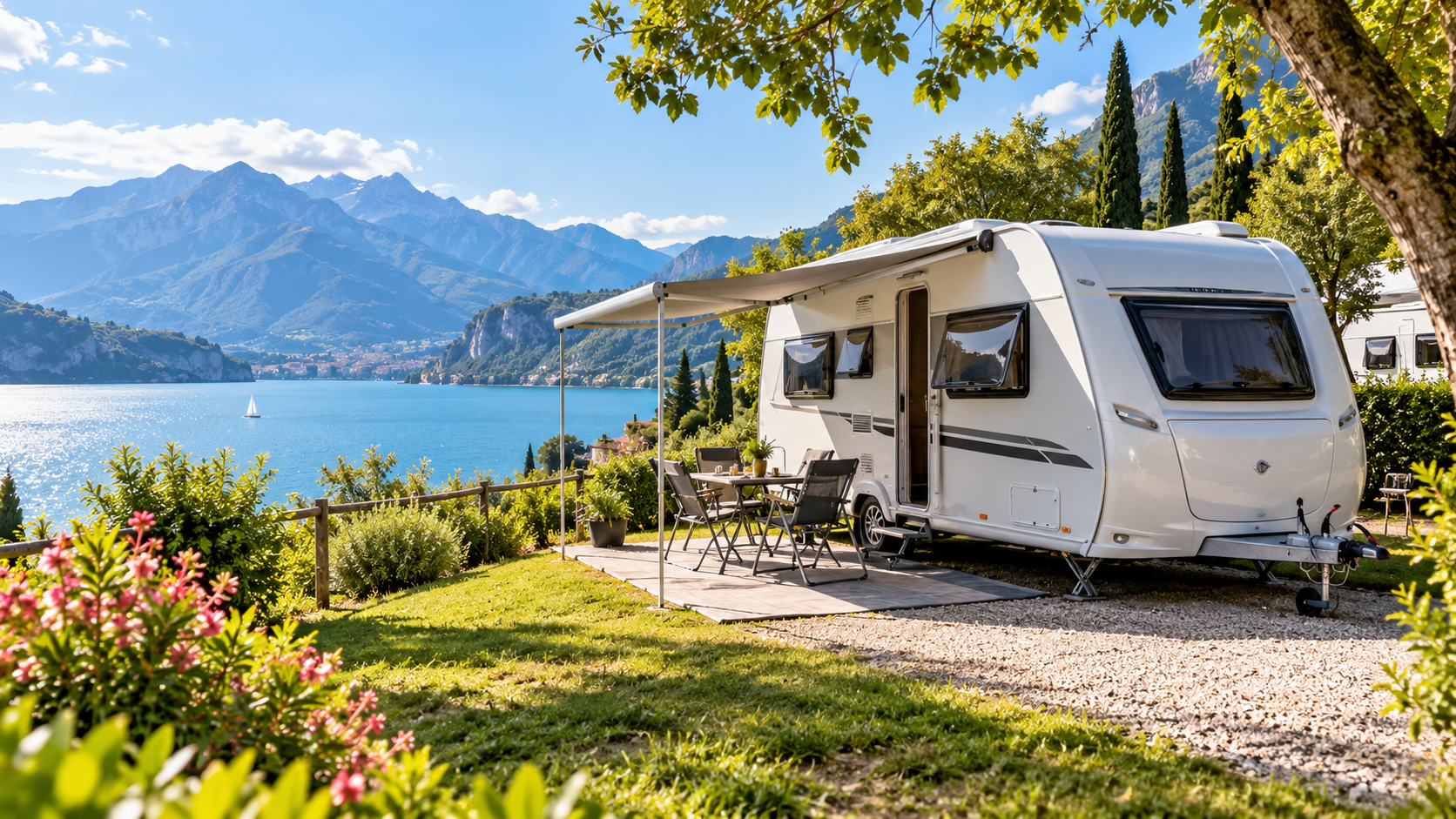
In everyday English, a camp spot is simply a place someone uses for camping. It is a broad term, not a guarantee of facilities or permission. A photograph of a campervan beside a lake might be described as a camp spot even when overnight stays are prohibited at that precise location. When researching a destination, look for the formal type of site and its published conditions rather than relying on the caption.
If a listing says “camping pitch”, check whether it is a bookable space within an established campsite. If it says “motorhome aire”, “stopover” or “stellplatz”, investigate the local meaning and any vehicle restrictions. Different countries and operators use different terminology.
Camp spot, campsite pitch or motorhome stopover?
Managed campsite pitch: Usually a designated space on a campsite, often with reception, toilets, fresh water and options for electricity. Facilities and booking arrangements vary, and some sites offer separate areas for tents, caravans and motorhomes.
Designated motorhome stopover: Often intended for a shorter stay or overnight transit. It may have a payment point, disposal facilities, drinking water or minimal services. Some stopovers accept only self-contained motorhomes, so touring caravans should not assume they are permitted.
Ordinary parking area: A place to leave a vehicle does not automatically allow camping. Signs, time limits, parking controls and local regulations may apply. Sleeping in a vehicle and setting up a camp may be treated differently in different jurisdictions; do not infer permission from the absence of a barrier.
Why a good overnight spot starts with access
Consider road width, bridge heights, pitch length and the ability to turn around. A compact campervan might fit a smaller parking bay, but a long motorhome or car-and-caravan combination may not. Check whether overnight arrivals are allowed and whether there is adequate room to avoid blocking other people.
If you are towing a caravan, an authorised campsite is often the more predictable option because many motorhome-only stopovers exclude trailers. Ask the operator about arrival routes and turning areas. Confirm whether you need to detach the caravan or whether the whole outfit must fit in one pitch.
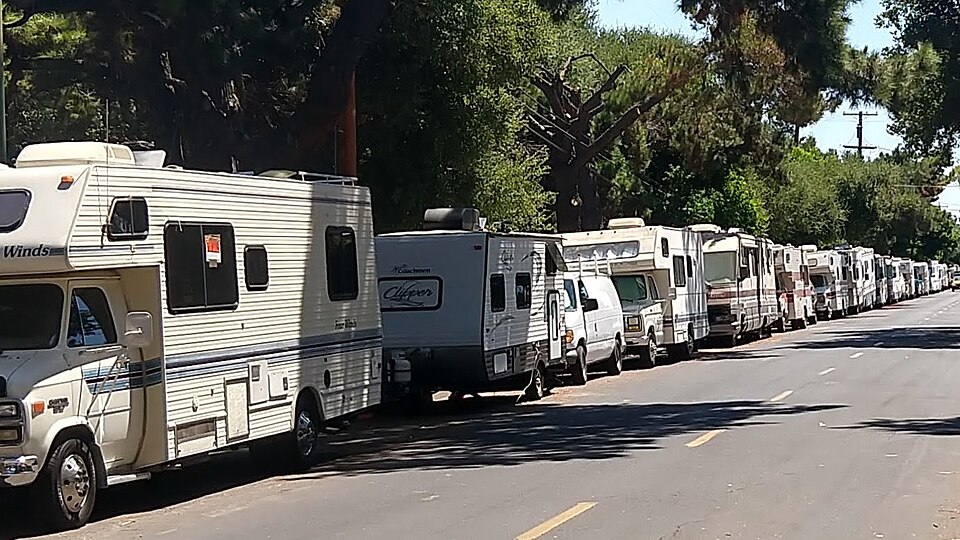
Parking for the night is not always permission to camp
Rules can differ between countries, national parks, local councils, private landowners and specific car parks. A parking sign may regulate the number of hours, vehicle size or permitted activities. Setting out chairs, extending an awning, using a barbecue or disposing of waste can be prohibited even where a vehicle is allowed to park.
Use designated and authorised locations. If you are uncertain, check official local guidance, the site operator's current conditions or written landowner permission. Never ignore access restrictions, block farm gates or assume social-media recommendations are a reliable statement of the law.
Look for the facilities your vehicle requires
Self-contained motorhomes and campervans still need responsible water and waste management. Research drinking-water sources, grey-water points and chemical-waste disposal before your tanks are full. Disposal into roadside drains or natural waterways is not an alternative to designated facilities.
Electric hook-up, toilets and showers may be useful, but they should not be taken for granted at a stopover. A campsite may offer a wider range of services, while a basic overnight location may only provide a permitted space to park. Carry the supplies appropriate for the route and season, and confirm whether the site is open on your travel dates.
What makes a camp spot suitable for a quiet stay?
Noise, lighting, privacy and neighbouring activities can affect your rest as much as the view. Roadside locations may have early deliveries or through traffic. Remote sites may feel peaceful but have weak mobile signal and no immediate assistance. Consider the needs of everyone travelling and choose a setting that matches the trip rather than the photograph.
Weather matters as well. A grass pitch may become soft after heavy rain; exposed coastal ground can be windy. Check ground conditions, drainage and seasonal opening information. Think about the safe exit route if weather deteriorates.
Compare the full price and conditions
When choosing between a stopover and a campsite, compare the complete cost, including any vehicle fee, per-person charge, electricity, pets, extra cars and local visitor charges. A cheap overnight stop may lack essential facilities, while a more expensive campsite could save travel time and allow a comfortable extended stay.
Check length-of-stay limits, check-in requirements, cancellation policies and the process for leaving after reception hours. Keep payment confirmations and avoid sending deposits through unofficial links.
A practical checklist before you arrive
- Confirm that overnight stays are permitted for your type of vehicle.
- Check total vehicle length, access roads and arrival instructions.
- Verify whether a caravan or trailer is accepted.
- Understand the available water, waste and electricity facilities.
- Check the full price, opening hours and length-of-stay restrictions.
- Identify a suitable alternative if the location is full or inaccessible.
- Respect neighbours, quiet hours and environmental restrictions.
How to plan a route with different overnight stops
For a multi-day trip, you might combine a fully serviced campsite for laundry and a rest day with a basic authorised stopover between destinations. Leave flexibility for road conditions, weather and fatigue. It is usually better to arrive at a suitable location early than to drive late into the evening while searching for a place that may not accept your vehicle.
Our wider guide to choosing camping spots for motorhomes and caravans explains how to compare pitch size, facilities and costs. For a regional example, see planning a Scotland motorhome trip.
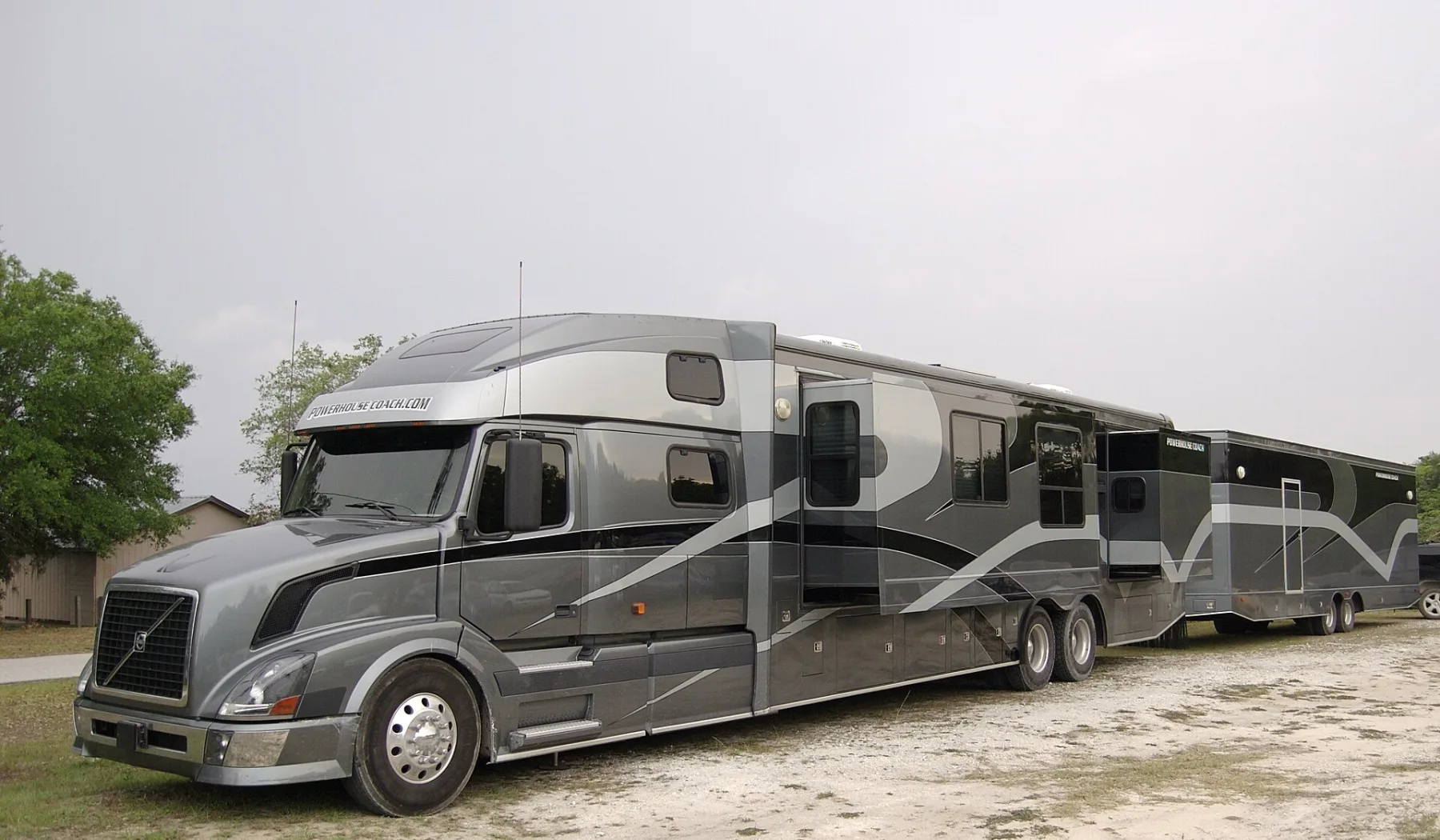
Choosing a campervan or caravan for overnight travel
How frequently you move between camp spots can influence the type of vehicle that feels practical. A campervan may be easier to park and drive on short trips, while a larger motorhome offers more living space. A touring caravan can make a comfortable base at a managed campsite, with the tow car available for local travel. Compare legal weights, dimensions and travel seats before choosing.
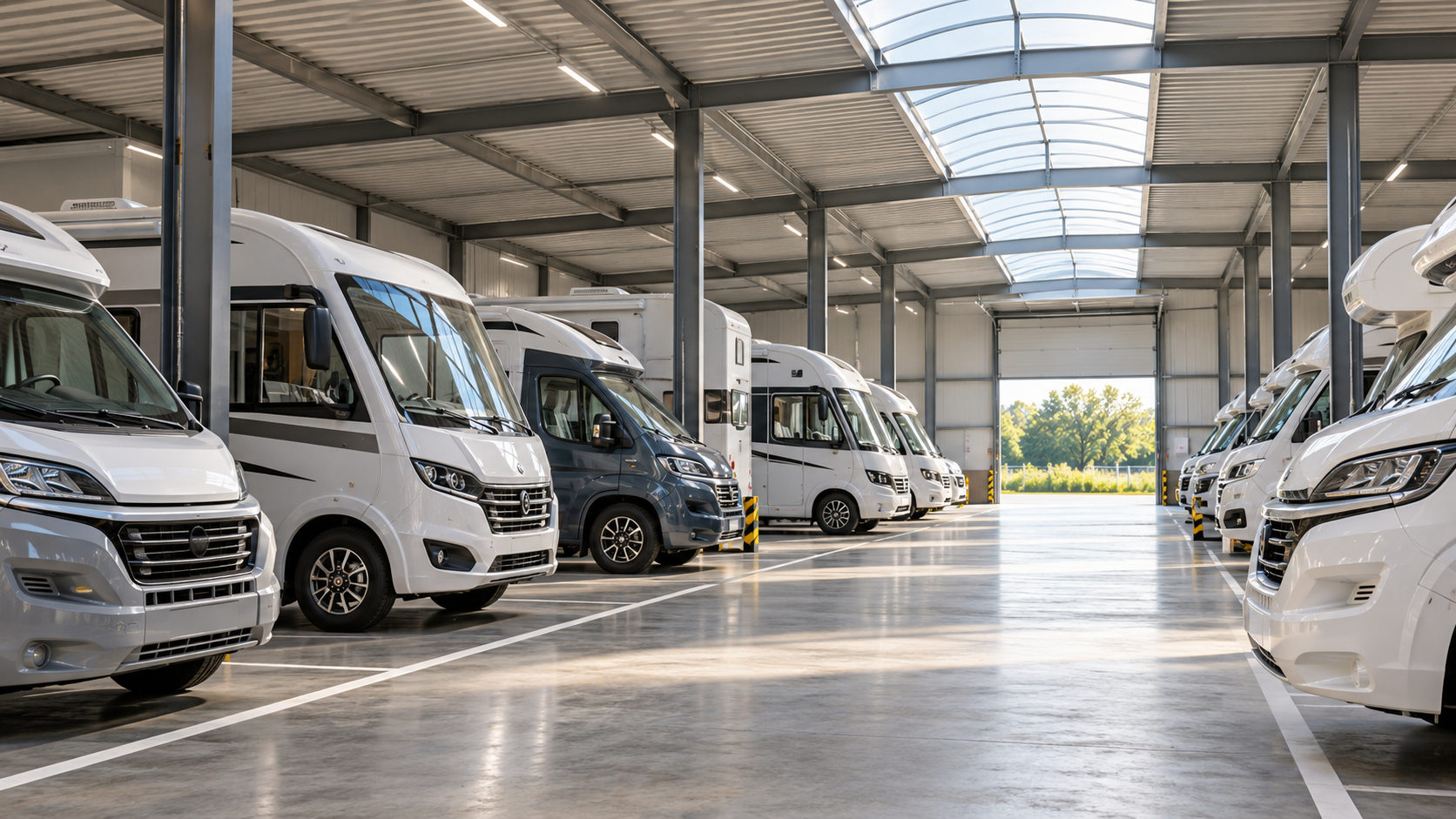
On Campspot.eu you can explore campers and caravans for sale, see vehicle rental listings and compare storage options for periods when the vehicle is not in use. Campspot.eu does not sell or book campsite pitches; verify overnight arrangements with the relevant operator.
Frequently asked questions
Can I use any car park as a camp spot?
No. Parking permission does not necessarily allow overnight camping or related activities. Follow local rules and site signage.
Are motorhome stopovers suitable for caravans?
Not always. Some accept only self-contained motorhomes. Check the site's vehicle policy in advance.
What is the safest way to find a legal overnight location?
Use authorised sites, check official local restrictions and confirm operating conditions directly with the operator.
Do camp spots always include electricity and toilets?
No. Amenities vary widely. Confirm the facilities and opening dates before travelling.
Does Campspot.eu offer campsite bookings?
No. This platform provides camper, caravan, rental and storage listings and related guides, not campsite pitch reservations.
The best camp spot is one that is permitted, suitable for your vehicle and practical for your journey—not just the one with the most dramatic view.