

Describe the motorhome accurately
Insurers may distinguish a purpose-built motorhome from a converted van or other vehicle. Provide the correct details and explain any modifications, including upgraded batteries, solar equipment or specialised interiors. Be clear about whether the motorhome is used for occasional holidays or longer periods.
If you intend to hire out the vehicle, confirm the relevant terms rather than assuming an ordinary leisure policy permits commercial rental use.
Look beyond the premium
Compare liability, damage to the motorhome, theft, glass, contents and emergency support where offered. Read exclusions, limits and excess amounts. Two policies with similar prices can provide very different cover for installed living equipment or belongings.
Clarify how the insurer would assess a claim and what photographs or documents it may request. Vehicle valuations and the treatment of accessories can differ.
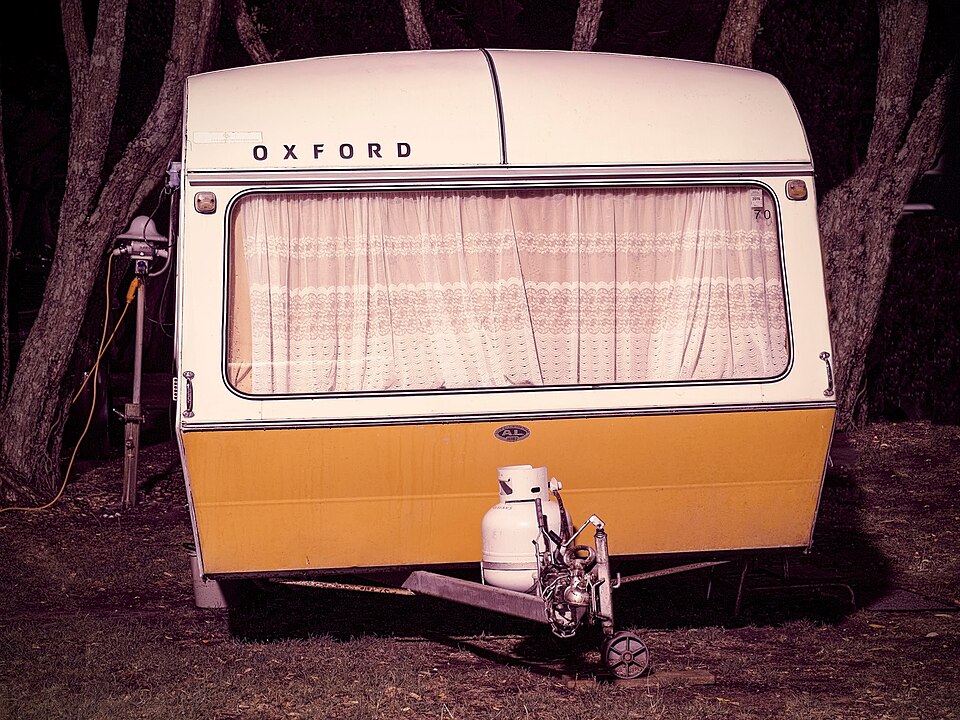
Check winter parking and international travel
If the motorhome will spend months in a storage compound, ask whether the insurer has security or access requirements. The compound's gates and cameras do not guarantee insurance of the vehicle itself.
For trips beyond the UK, ask about the countries covered, length of travel permitted and the breakdown or repatriation options. Do not assume that any destination or extended stay is included.
Review terms with a qualified provider
Rules, policy options and driving requirements can change. Seek written clarification from the insurer for important issues. Keep records and update the policy when the vehicle's circumstances change.
Campspot is an independent information and advertising platform, not a UK insurance broker. These questions help you compare cover but do not provide an insurance quote.
Prepare an accurate description of the motorhome for quotations
The information an insurer receives about a motorhome affects the offer it can make. Assemble the manufacturer's details, model year, actual configuration and records of documented changes. Describe the typical holiday pattern and the usual storage location. If the vehicle is a campervan conversion, provide relevant information about that conversion rather than assuming the insurer will treat it as an ordinary unmodified van.
Request comparable quotations using the same description of the vehicle and its intended use. The UK motorhome insurance overview provides general questions to raise with a qualified provider. Ask which information is required for a written offer and which changes must be declared later. If the provider describes particular conditions that matter to the intended use, ask for them to be confirmed in the contract.
Make sense of excess, cover limits and optional services
Compare written quotations in a table with a column for each provider. Record the premium, stated excess and applicable limits using the policy wording. Keep damage to the vehicle, personal contents, liability and assistance services distinct. Ask the insurer about any wording that is unclear or appears to conflict with a promotional description. A policy's headline price does not necessarily convey those differences.
Discuss the actual installed accessories, modifications and equipment that matter to your motorhome. Ask how the provider describes protection for those items and what documentation would be needed in the relevant circumstances. Keep the answers alongside the written offer. The aim is to understand the terms of the individual policy, rather than assume that all policies with a similar name offer equivalent cover.
Discuss European holidays before you confirm bookings
If you intend to use the motorhome outside the UK, provide the insurer with the relevant destinations and expected period away. Ask which arrangements are offered for the proposed travel and whether separate assistance terms apply. Request written information about any conditions affecting the countries or duration you are considering. The published description of a domestic leisure policy should not be treated as a confirmation of overseas protection.
If several providers offer assistance, compare what each says it can arrange for the particular vehicle, including any relevant limitations. Confirm contact procedures and responsibilities directly. Keep the provider's confirmation with the proposed holiday arrangements, and review it if the destination or intended duration changes. A travel booking and an insurance contract are separate arrangements, and neither automatically confirms the other.
Review storage requirements and the vehicle's documented condition
Obtain the terms of your intended storage arrangement and explain them to the insurer. Ask whether the proposed location or access arrangements need to be recorded and what changes must be reported. The winter leisure vehicle care guide gives useful seasonal context. If you have a recent professional vehicle inspection, ask the insurer whether any of its documentation is relevant to the policy rather than assuming that it establishes coverage.
Keep records of significant repairs and documented equipment in one place. The UK motorhome valuation overview describes considerations when comparing asking prices, but market value and the amount payable under a policy are not automatically interchangeable. Ask the responsible provider how the contract deals with valuation and claims. Keep the final policy and contact instructions securely, and seek qualified advice whenever the vehicle or intended use changes.