
Review the road vehicle and the living space
A motorhome has two sets of systems to inspect: the road vehicle and the habitation area. Check maintenance records, tyres, brakes, engine issues and any relevant MOT history. Separately inspect the roof, windows, seals, plumbing and interior for water damage or poorly executed repairs.
Ask for the actual vehicle identification details and explain any discrepancy between the advertised specification and its paperwork. An independent mechanic and habitation specialist may each find different problems.
Look for damp in predictable places
Inspect around skylights, windows, wall joins, doors and flooring where water can enter. A recently cleaned or repainted area may merit questions, but a stain alone does not identify a specific fault. Ask whether a damp inspection has been recorded and how any repairs were carried out.
Check the roof and external sealants where safely accessible through an appropriate inspector. A used motorhome can look presentable inside while having hidden moisture damage that requires expensive work.
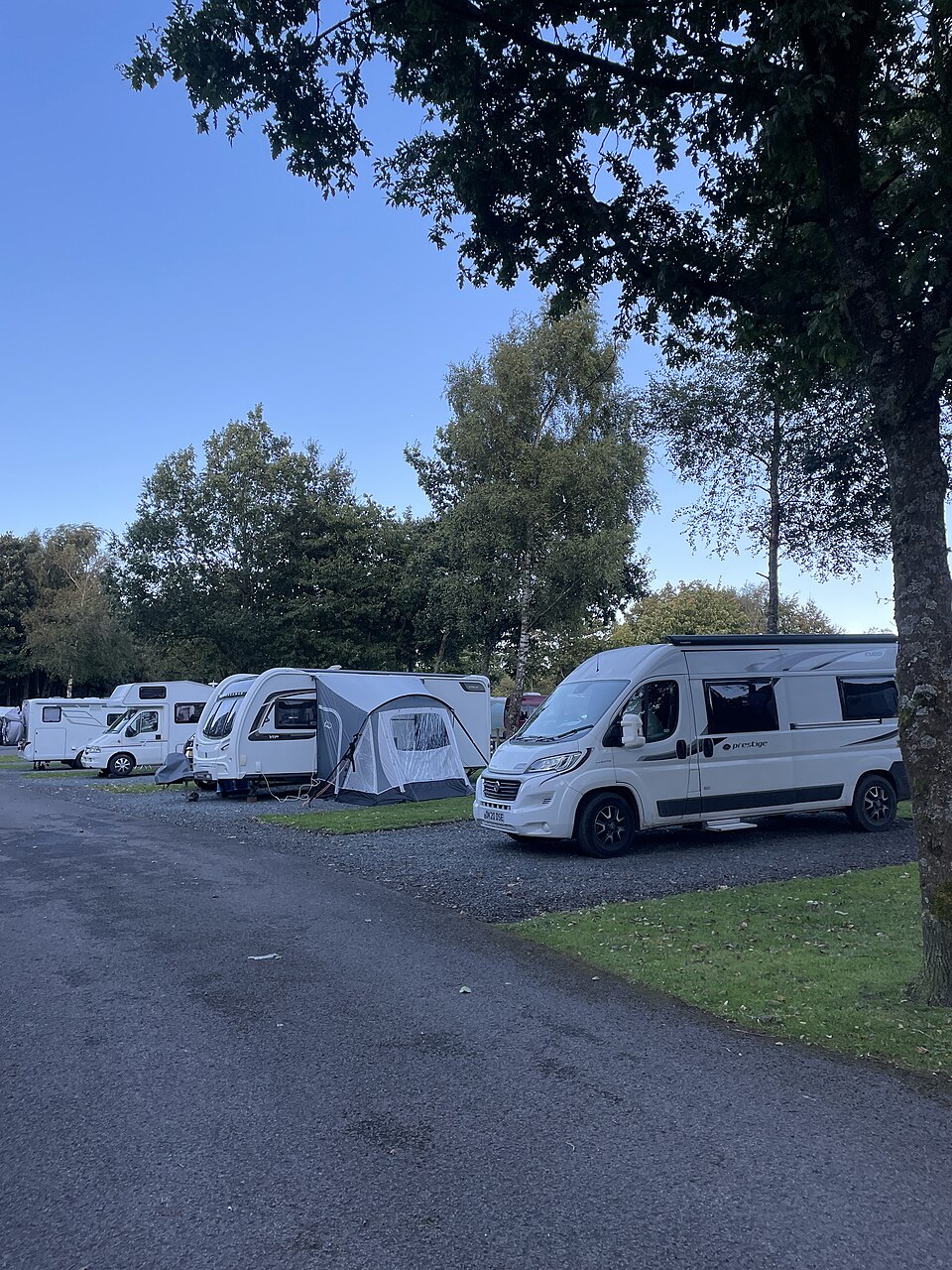
Check payload, seating and dimensions
The number of beds is not automatically the number of legally approved travel seats. Verify the actual seatbelt arrangements, manufacturer weight rating and available payload. Include passengers, water, equipment and luggage in your planning rather than using the empty weight in a brochure.
Check total height, length and width against storage, parking and intended campsite limits. For some driving licence categories, the vehicle's weight may matter, so confirm the current requirements from the appropriate UK sources.
Understand the full cost before paying
Compare asking price with likely repairs, servicing, tyres, insurance and secure storage. Ask about any finance or ownership concerns and use suitable official services to check available vehicle records. Agree in writing what equipment is included and how collection will be arranged.
Campspot provides UK-specific guidance and international classified listings, not a guarantee of UK-located motorhomes. Confirm the real vehicle location and seller details before transferring money.
Build a shortlist from the actual motorhome specifications
When comparing used British motorhomes, advertisements can describe a model name without identifying its precise layout or original specification. Ask for the model year, base vehicle and habitation manufacturer, together with any documents identifying the conversion. A motorhome that has changed hands more than once may have acquired accessories or alterations that are not reflected in an original brochure. Record what the seller confirms about the actual vehicle rather than filling gaps with information about another model.
Decide which features matter to the way you expect to holiday. For example, a fixed bed can make a longer campsite stay convenient, whereas a compact arrangement might appeal to people who want to spend more time visiting local attractions. The campervan overview for UK buyers gives useful context when comparing smaller layouts. Ask for the actual dimensions of the sleeping and storage areas in any vehicle you shortlist.
Read the MOT and habitation records as different evidence
A roadworthiness record and a habitation inspection report answer different questions. Look at the dates and scope of each document, and ask the seller to explain significant observations or previous work. Consult the appropriate official service for current vehicle and MOT information. A report should be related to the specific vehicle and not simply presented as proof that everything is in excellent condition.
An independent motorhome inspection helps establish which parts of a vehicle have been assessed and which require additional specialist attention. Explain your concerns when arranging the appointment, including any gaps in the available history. Request written findings and discuss necessary professional work with an appropriate service provider before comparing the final cost of buying different motorhomes.
Make the damp history part of the purchase file
Ask whether the owner retained previous habitation reports, invoices for resealing or repairs, and photographs that explain the history of particular areas of the motorhome. An isolated reading or a verbal assurance provides less context than records showing what a qualified person examined and what action followed. Keep any unresolved questions separate from repairs that have been documented.
If damp has previously been identified, ask what the report said and whether subsequent professional work or assessment is recorded. Do not make a judgement about the underlying condition from replacement wallpaper or fresh upholstery. The objective is to understand the available evidence and obtain specialist advice where needed, rather than assume every visible mark represents the same problem.
Compare a realistic first-year budget for each vehicle
Put the actual asking price beside written quotations for the work and services you would need after purchase. Include storage arrangements, ongoing professional servicing and insurance information obtained for the individual motorhome. Use the UK motorhome valuation guidance to organise differences in model, condition and equipment when comparing prices. Do not assume that an advertised price establishes a completed sale value.
For the final shortlist, keep the vehicle details, condition reports, agreed inventory and ownership questions in one place. Consult the official guidance relevant to driving and acquiring the actual motorhome, and ask the appropriate professionals to confirm outstanding matters. The safe trading information provides additional marketplace awareness. Confirm the vehicle's actual location and agreed terms before committing to any purchase.