

Do not compare just one weight figure
A caravan advertised by its unladen or brochure weight will be heavier once loaded for a trip. Check its maximum permitted laden mass and the towing limits of the precise car. Passengers, equipment and luggage in the car affect its own loading and potentially the whole combination.
Review the vehicle, caravan and hitch manufacturer's documents. A headline towing rating is not proof that every trailer or loading pattern is suitable. Ask a qualified professional to assess uncertain combinations.
Understand the role of noseweight
Noseweight describes a load at the coupling and is one of several limits that must be respected. The tow vehicle, towbar and caravan may each have specifications relevant to the setup. Excessive or incorrectly distributed loads can affect handling.
Do not compensate for a poor setup by moving heavy objects without reference to the maker's instructions. Check condition and suitability of hitch components, brakes and tyres before travelling.
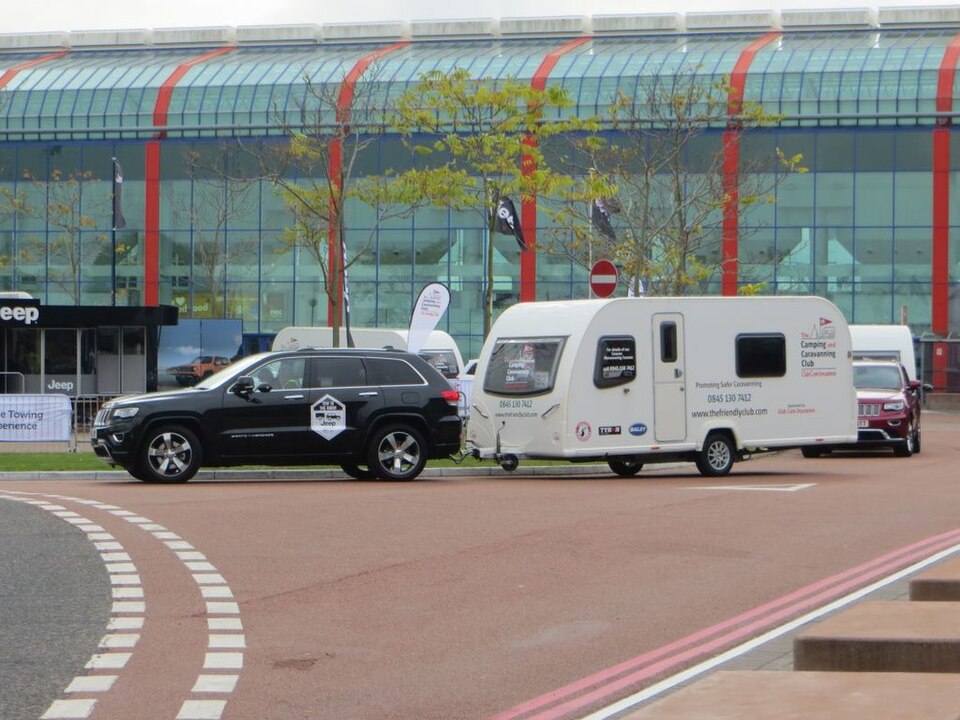
Plan for British roads and pitches
Rural lanes, steep access tracks and narrow campsite entrances can make reversing a touring caravan difficult. Check the full outfit's dimensions, intended route and safe turning space. Confirm whether the campsite accepts caravans as well as motorhomes.
Weather can influence road conditions and visibility. A sensible itinerary includes breaks, site arrival times and enough margin for manoeuvring or an alternative stop.
Check the applicable driving rules
Driving licence entitlements, towing requirements and rules can depend on the vehicle and jurisdiction. Review current official UK guidance rather than relying on advice written for an older licence regime. Keep relevant insurance documents and trailer details available.
Campspot offers educational guidance and vehicle listings but does not certify an outfit's towing safety. The actual manufacturer ratings and qualified inspection matter most.
Understand why caravan adverts use several weight terms
An advertisement for a touring caravan may use a manufacturer term, an abbreviation or a figure quoted from an older brochure. Before comparing caravans, identify which documents describe the actual unit being sold. The terms relating to the caravan, towing vehicle and coupling should be kept distinct. A statement about one component is not a statement about every other component or about the complete outfit.
Ask for documentation identifying the specific model and any recorded alterations. Keep the corresponding documents for the proposed tow vehicle in a separate file. Where the figures are unclear or apparently inconsistent, consult the manufacturer and an appropriately qualified specialist. This is particularly important with older caravans or vehicles whose original configuration differs from their present equipment.
Ask the right questions about noseweight
Noseweight is a term associated with the load at the coupling. It belongs in a broader assessment of the particular caravan and vehicle arrangement. When talking to a seller, ask which source supplied any stated figure and whether the original manufacturer's documents are available. Do not use a general number from a different caravan as the basis for accepting a particular combination.
The UK touring caravan towing overview provides further background on the vehicle category. A professional should assess the actual equipment and relevant limits. Ask the specialist to explain the documentation they need and which questions remain unresolved. Keep that assessment separate from preferences about the caravan's interior layout or advertised price.
Distinguish a condition report from a compatibility assessment
A used caravan may be offered with invoices, a previous inspection or records of changes to equipment. Establish what those documents cover and whether they relate to the present configuration. A report assessing the physical condition of a caravan does not automatically provide confirmation that another vehicle is suitable to tow it.
If a caravan's history or condition is unclear, arrange an independent caravan inspection and request written findings. Ask the professional whether a separate assessment is necessary for the proposed vehicle combination. Keep the findings in the purchase file. Use quotes from qualified providers for work identified as necessary instead of assuming that a low asking price will compensate for unresolved condition concerns.
Compare the practical cost of owning the caravan
Consider where the caravan would be kept when it is not in use. Ask local storage facilities about the actual space offered, price and access arrangements for the proposed vehicle. Visit the winter caravan care guide for context about seasonal ownership questions to discuss with a professional. Record the confirmed storage fee separately from maintenance costs and the price of the caravan.
Consult the official UK towing guidance listed below for current requirements applicable to the particular vehicle and driving entitlement. An old forum discussion should not be treated as an up-to-date official source. Ask a qualified provider about insurance for the intended arrangement; the UK recreational vehicle insurance information can help frame that conversation. A good caravan purchase file combines verified documentation, professional findings, accommodation preferences and the confirmed cost of keeping the vehicle.