
Choose storage based on access and protection
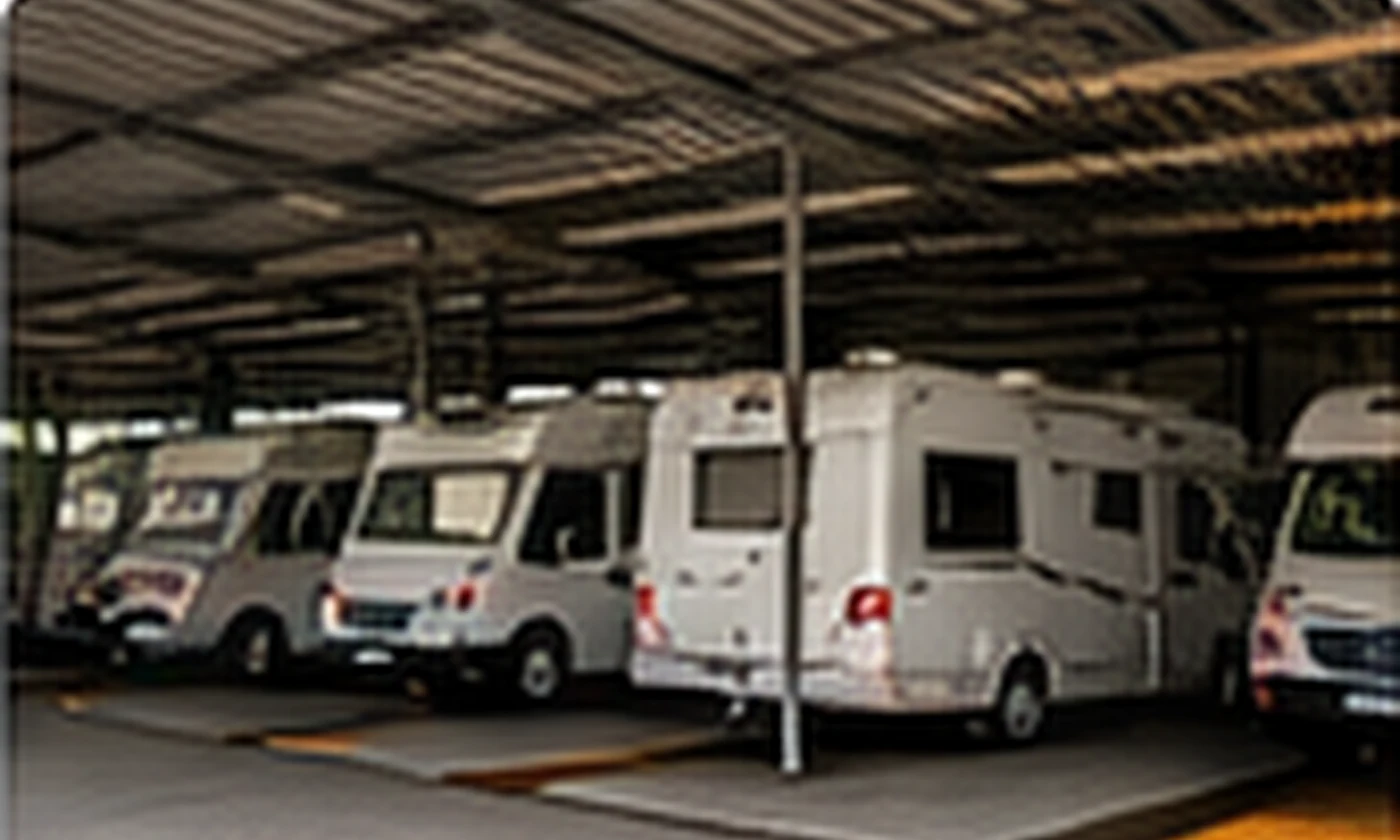
Compare open compounds, covered bays and indoor facilities according to vehicle dimensions, local exposure and budget. A caravan needs safe access and turning room, not merely a slot that matches the advertised length. Ask whether the facility has access restrictions during winter.
Look at drainage and ground conditions where the caravan will stand. Security features can help deter theft, but they do not replace appropriate insurance or the owner's maintenance responsibilities.
Reduce the risk of moisture damage
UK winters can be damp, making roof seams, window seals and ventilation important. Inspect the vehicle regularly according to manufacturer recommendations. If a persistent damp smell or visible stain appears, investigate the cause rather than covering it up.
Water systems need appropriate preparation for freezing conditions where relevant. Follow the specific owner's instructions and avoid unsafe improvised servicing of electrical or gas installations.
Check tyres, battery and equipment
Tyres, batteries, brakes and appliances may require attention after a prolonged period of storage. Plan an inspection before the first spring trip, including safety devices and water-system operation. A caravan that appears clean may still need work before it can be used safely.
Make a record of the vehicle's condition when placing it in storage. Follow any operator rules concerning visits, maintenance and electrical connections on site.
Understand the contract and insurance
Ask what is included in the storage fee, the minimum rental term, cancellation provisions and access arrangements. A guarded compound is not automatic proof of insurance cover. Read both contracts and ask your insurer whether the arrangement affects protection.
Campspot's UK storage guides are editorial information. The presence of a regional page does not mean a local space is available to book. Confirm prices and access directly with each provider.
Compare the specific bay or pitch being offered
A compound may advertise both open and covered storage, but the particular space allocated to your caravan determines which features you receive. Ask for a description of that space and whether the location is fixed for the duration of the contract. In areas affected by prolonged wet weather, ask the operator how the offered facility is managed and how concerns about the storage environment are reported.
A quote for one type of space should not be compared directly with a quote for a different service without noting the differences. Request written information about the agreed storage period, access and included services. If a provider advertises maintenance or checks, establish precisely which services are included in your contract. Pictures of a facility do not establish the protection provided to every vehicle.
Plan access around the way you use your touring caravan
Some touring caravan owners finish their holidays in autumn and collect the vehicle for the following spring. Others expect to use it throughout the year. Identify which pattern is realistic for you and ask the provider how collection and return appointments are arranged. Clarify whether the caravan remains accessible throughout the agreed storage period and whether the terms change at busy times.
Storage near a preferred workshop may be useful if you plan professional inspections before the next season. Compare locations in terms of their actual convenience, not just the advertised monthly fee. Request confirmation of additional access or relocation charges, where relevant, so that you can compare the total cost for the same storage period. Keep the confirmed collection arrangements beside the other contract details.
Use a condition record to discuss damp concerns
Retain a record of the caravan's condition before it enters storage, including existing professional reports and relevant photographs. When you collect it, keep any new observations with that record. If there is a concern about moisture, ask a competent specialist to establish the cause and assess whether additional professional attention is required. A photograph of a stain is not a diagnosis.
The UK winter caravan care guide introduces seasonal matters to raise with your service provider. An independent caravan inspection may be useful if records are incomplete or a concern has emerged during storage. Ask for the scope of the assessment and written conclusions. Keep technical assessment and maintenance with qualified professionals; the storage agreement alone does not establish that those services are supplied.
Review the winter agreement before making the final choice
Read the storage terms and insurance documents as separate agreements. Ask the operator how incidents are reported, what responsibilities it accepts and which matters remain with the owner. Explain the proposed storage arrangement to an appropriately qualified insurer. The UK caravan insurance guidance provides questions to raise about storage conditions and cover, but the actual policy determines what protection is available.
Make a simple comparison of the confirmed contract duration, fee, included services, notice requirements and cancellation arrangements. Keep a copy of the agreement together with the condition record and relevant contacts. Before choosing a provider, confirm the allocated space and agreed collection arrangements. Review the arrangement when your caravan or holiday plans change. This makes winter storage a planned part of ownership rather than an expense considered only at the end of the holiday season.