
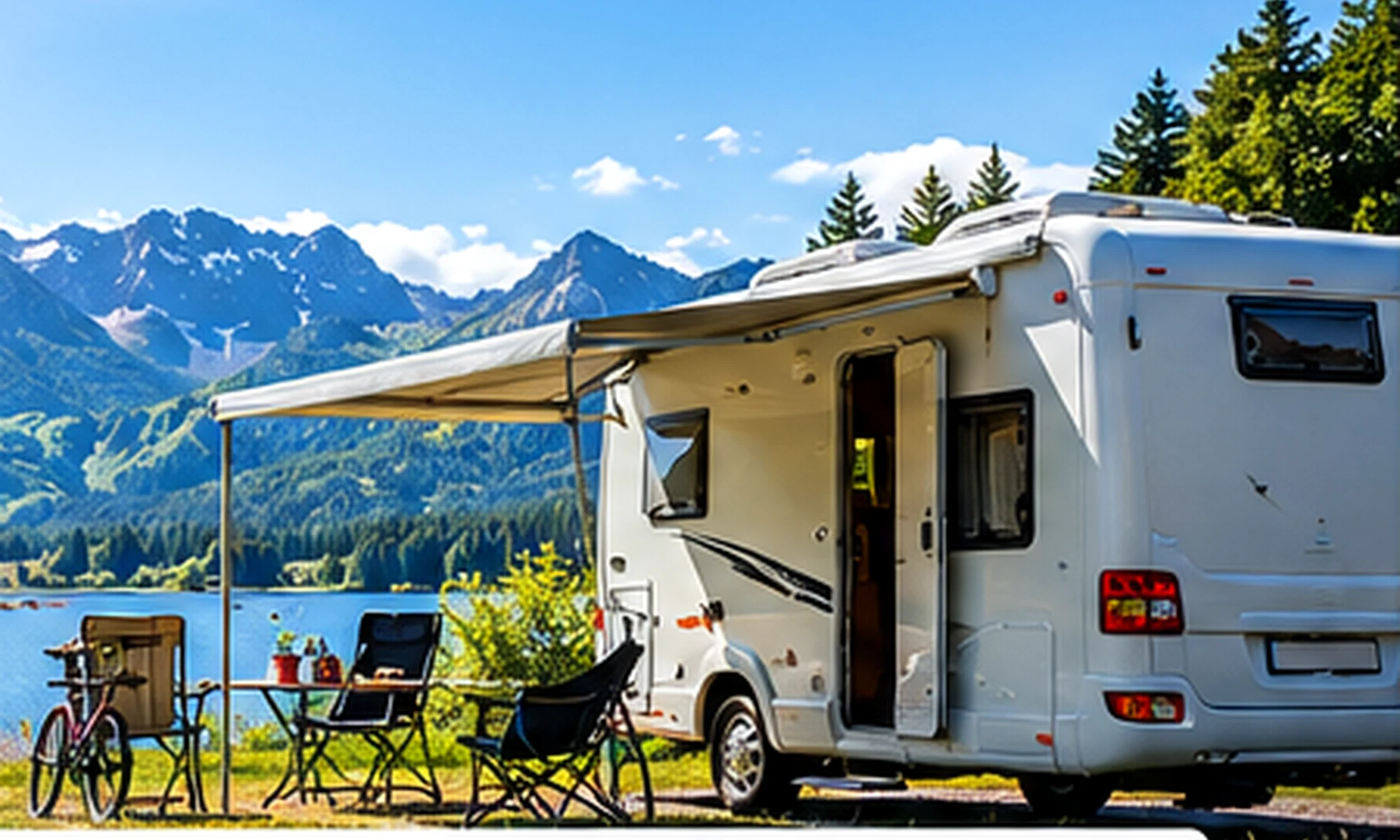
Decide on a route for your available days
Both islands offer varied landscapes, and trying to cover too many stops can make a motorhome trip feel rushed. Estimate driving stages for the actual vehicle rather than using ordinary car times alone. Add rest breaks and allow for winding routes or changing weather.
If you want to visit both islands, factor in ferry arrangements, check-in procedures and restrictions relevant to the size and equipment of your motorhome. Do not make tight onward bookings without allowing for disruption.
Check road and weather conditions
New Zealand's routes can change quickly in challenging weather, especially around mountain areas and coastal locations. Read current official road guidance before setting out and check whether there are closures, seasonal restrictions or special vehicle conditions.
The road to a scenic destination may have tight corners or limited passing space. Use an appropriate route for the vehicle's dimensions and never assume an online photo describes the actual access road.
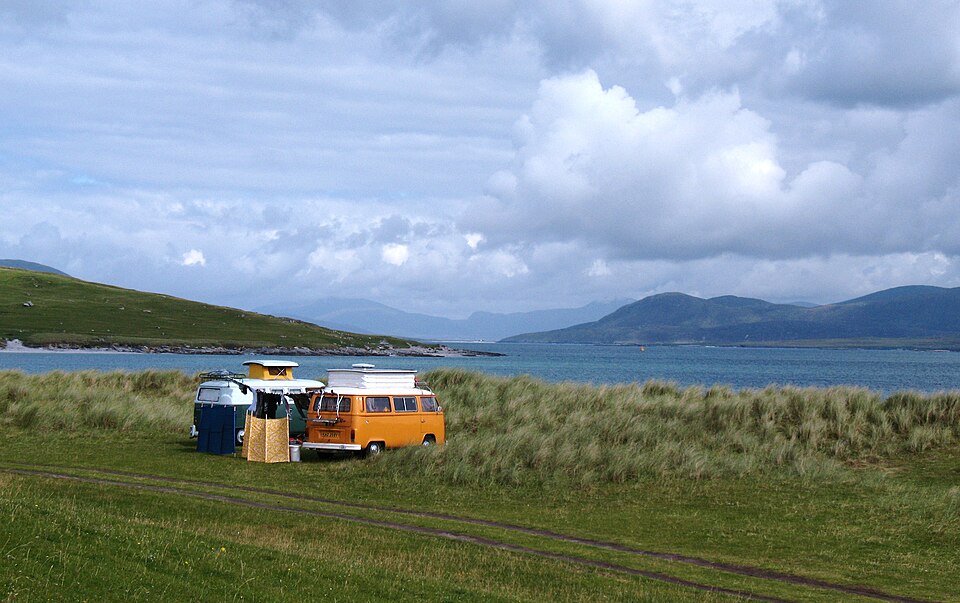
Book appropriate overnight stops
A campground needs sufficient space for your motorhome and the facilities your group requires. Compare vehicle length restrictions, power, water, waste disposal and arrival hours. An ordinary parking area is not automatically somewhere you can camp overnight.
For freedom camping, verify the specific local permission and any self-containment requirements. Campspot.eu is a vehicle-information and advertising platform and cannot reserve New Zealand campsites.
Keep the itinerary flexible
Leave time for activities and longer stays instead of driving every day. A spare day can be helpful if a ferry schedule changes or poor weather closes a route. Check fuel, supplies and maintenance needs before longer sections.
Before renting or buying a vehicle, verify the owner's insurance and any restrictions on where it may travel. A well-planned route starts with an appropriately prepared motorhome.
Choose an island around the experience you want
Before dividing the holiday between islands, identify the experiences that matter most to the travelling group. A North Island holiday might focus on cultural experiences, geothermal attractions and coastal towns, while the South Island may appeal to visitors interested in alpine landscapes and lake communities. These are starting points for selecting destinations, not a requirement to include every popular attraction in one trip.
Write down a handful of experiences you would particularly like to enjoy and find out which need advance reservations. Then look at established accommodation options near those destinations. Choose the region whose combination of activities, services and accommodation suits your available holiday dates. A single island can provide more variety than an itinerary that allocates most of the holiday to transfers.
Give the island crossing a separate booking record
If both islands are part of the plan, treat the ferry as its own confirmed reservation rather than an approximate line in a calendar. Ask the operator about the actual vehicle category and the information required for booking. For a hired motorhome, confirm the arrangements with the rental provider before committing to the crossing. Different hire agreements may contain different conditions.
Record the reservation details, contact information, dates and agreed terms. If the operator changes its arrangements, review the remaining accommodation bookings with their respective providers. Keep reservations requiring a particular arrival date separate from activities that can be chosen during the holiday. This makes it clearer which parts of the holiday depend on the crossing and which can remain flexible.
Select accommodation that suits the travelling group
Imagine the ordinary activities that will take place at each base, such as meals, relaxing indoors and organising belongings for local visits. A larger motorhome may offer a different sleeping and seating arrangement from a compact vehicle, even when the advertised number of berths is similar. Compare those features before making a reservation. The New Zealand campervan layout guide provides context for evaluating compact accommodation.
Ask the accommodation operator which facilities are included for the booked dates and whether the site accepts the particular vehicle. If visiting managed conservation areas, check the responsible authority's visitor information. Keep the operator's confirmed details alongside the vehicle provider's description; neither a general travel guide nor a photograph establishes the suitability of an individual reservation.
Compare holiday costs and commitments before confirming dates
Prepare a separate estimate for each possible island-based holiday, using confirmed accommodation quotations and the cost of the activities you would genuinely choose. If you include a ferry, keep its quotation separate from other expenses. This makes the added cost of visiting both islands visible rather than burying it in a broad holiday estimate.
Discuss the intended use and destinations with an appropriately qualified insurer or the hire provider. The New Zealand RV insurance overview provides background questions for that conversation. The regional motorhome and campervan guides can also help with research about ownership and accommodation choices. Confirm every transport and campsite reservation with the appropriate operator; Campspot does not act as a ferry or campground booking provider.