
Choose a space that fits the motorhome
Measure the total height, length and width, including roof accessories. A storage bay that is nominally large enough may still lack turning room or safe access. Ask the operator about opening hours, key arrangements and whether you can inspect the vehicle during the storage period.
Compare outdoor, covered and indoor spaces based on local conditions. Sheltered parking can reduce some exposure, but it is not proof that the vehicle will remain free of moisture or other damage.
Protect against damp and deterioration
New Zealand's coastal and wet environments make regular inspection of seals, windows and roof fittings worthwhile. Check for standing water and possible leaks after heavy rain. Manufacturer-approved ventilation and storage preparation can help protect the living area.
An unsuitable cover may trap moisture or rub against panels. Read the vehicle and cover guidance rather than improvising a solution. Any persistent damp smell or visible water damage deserves professional investigation.
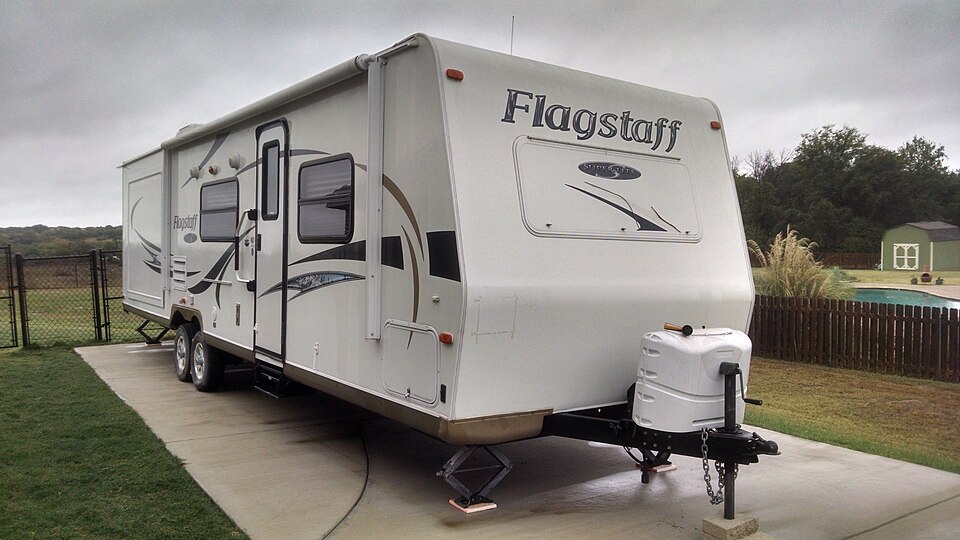
Consider batteries, tyres and appliances
Extended parking can affect vehicle batteries and tyres. Follow the maker's advice for storage, inspection intervals and safe return to service. If the motorhome uses gas or custom electrical equipment, have suspected defects assessed by a qualified person.
Make sure the vehicle is ready before your first long trip after storage. Inspect the tyres, brakes, seals and living systems rather than assuming the condition is unchanged.
Understand contracts and insurance
A gated facility may provide useful security but does not automatically insure every vehicle. Check the owner's policy, the operator's terms and liability clauses. Ask about costs, deposits, cancellation, access and whether maintenance is permitted on site.
Campspot's guide is general information. It does not guarantee a listed storage facility in New Zealand; verify actual availability and services with a local operator.
Compare shelter in the area where you actually live
Owners in different parts of New Zealand may face different storage circumstances. Ask local operators to describe the exact space they are offering, including whether it is enclosed, covered or exposed. A photograph of a sheltered part of a facility does not show that the offered space enjoys the same protection. Discuss the circumstances of the allocated bay and how allocation is recorded in the agreement.
Consider how your intended storage period overlaps with the holidays you have planned. A proposal that meets your requirements for a few weeks may not provide the same access arrangements over several months. Request quotations for the entire intended period from the facilities you are considering, with the included services identified individually. Compare the confirmed terms rather than assuming that similar monthly prices represent equivalent arrangements.
Find out how you will access the stored vehicle
Determine whether you expect to retrieve the motorhome occasionally during winter or leave it stored until the next holiday season. Ask each operator whether visits require advance notice, which times are available, and how collection and return appointments are arranged. Find out who is responsible for moving vehicles if a facility reallocates spaces. Record the agreed parking location and access conditions.
When comparing facilities, take account of their distance from your home and from any service provider you expect to use. Include any confirmed charges for additional access or services in the total cost. The cheapest offer may differ substantially from an arrangement that gives you the access you require during the storage period. Establish the actual convenience of each proposal before agreeing to it.
Document condition and discuss maintenance with professionals
Prepare a condition record before the motorhome is handed to a storage operator. Include the relevant photographs and records of existing repairs, and agree how the operator will contact you if an incident occurs. The New Zealand seasonal campervan care guide offers background on seasonal ownership questions to raise with qualified professionals.
If there is a concern about deterioration or an installed system, discuss it with an appropriate specialist. An independent motorhome inspection can help clarify the vehicle's condition where the history is incomplete. Ask which concerns the provider is qualified to assess, and retain written findings for future appointments. Do not assume the storage operator performs maintenance unless the service has been expressly agreed.
Clarify insurance and the complete storage contract
Read the proposed storage agreement separately from your insurance policy. Ask the operator to identify the services it promises and the procedure for reporting concerns. The New Zealand motorhome insurance information provides questions to discuss with an appropriately qualified insurer regarding the location and expected duration of storage. Obtain confirmation relevant to your particular vehicle and contract.
Keep the signed agreement, confirmed charges and contact details together with the condition record. Note whether optional services are included, how the minimum contract period works and what arrangements apply at collection. Revisit the comparison when a storage location or vehicle changes. A good ownership plan treats storage, professional service and insurance as separate arrangements that must work together, rather than expecting a parking fee to cover every responsibility.