
Inspect both the vehicle and the conversion
A campervan combines a road vehicle with living equipment. Check the mechanical service history, tyres, brakes and any signs of accident repairs, then inspect the roof, windows, floor and cabinets for water intrusion. A fresh interior can conceal older damage, so ask about repairs and any existing inspection reports.
If the van has been converted, ask who carried out the work and whether relevant electrical, gas and structural changes are documented. Consider an independent assessment when the history of a conversion is unclear.
Compare the layout with real travel needs
A compact van may suit winding roads and limited parking, but beds, cooking space and storage can be tight. Check the actual number of approved travel seats, safe loading and the capacity of batteries and water systems. The number of sleeping places shown in an advert is not proof of approved passenger seating.
Think about whether you plan to stay mostly at serviced campsites or need other facilities. A van marketed as self-contained should be checked against the current certification scheme and the exact type of places where you intend to stay.
Verify records and the seller
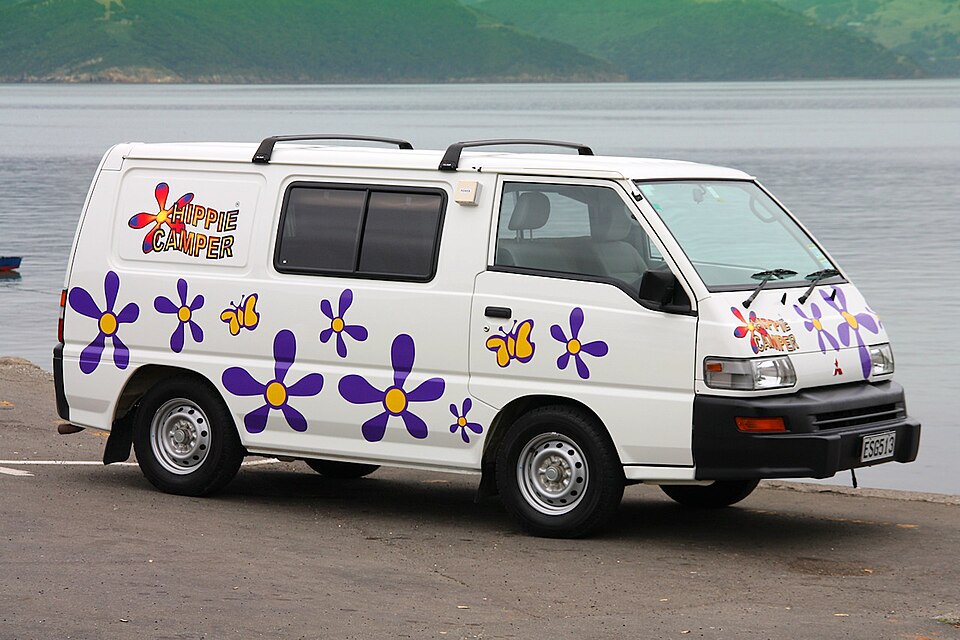
Review vehicle identification details, ownership evidence and relevant registration or roadworthiness information through the appropriate New Zealand sources. Do not assume that a licence or certification pictured in an old advert remains current. Ask the seller to confirm the vehicle's actual location.
Before sending a deposit, understand what is included in the sale and whether there are outstanding financial interests or other concerns. A careful independent inspection and straightforward communication can help reduce avoidable disputes.
Budget for ongoing ownership
Insurance, servicing, tyres, damp repairs and off-season storage can affect the total cost of a campervan. Coastal and wet conditions make sealing and ventilation important. A low asking price may become expensive if a conversion needs major work shortly after purchase.
Campspot provides New Zealand-focused guides and international classifieds. It does not claim to operate a local campervan dealership, and listings must not be assumed to be located in New Zealand without checking.
Create a shortlist around the holidays you have in mind
Begin with the kind of accommodation you want to enjoy around New Zealand. Someone who spends several days at one holiday park may value different features from someone who prefers a succession of shorter stays. A permanent sleeping area may be important to one couple, whereas another buyer may prefer the flexibility of a convertible dining area. Compare the space available for ordinary activities rather than counting features in the advertisement.
The New Zealand campervan guide helps explain the differences between compact vehicle layouts. Ask the seller to confirm the actual interior configuration and dimensions. Keep a separate record for every campervan you consider, including the photographs, claimed features and unanswered questions. Do not assume two vans with a similar exterior share the same conversion or documentation.
Ask about the history of the conversion
Campervans advertised on the used market may have been converted by different businesses or owners. Find out whether the seller has original invoices, conversion documents and records of subsequent changes. A tidy cabinet or attractive wall finish does not establish the condition of installations behind it. Where documentation is incomplete, identify what additional information a specialist would need to make an assessment.
Arrange an independent campervan inspection before committing to a vehicle whose condition is uncertain. Ask whether the proposed service includes the base vehicle and the accommodation equipment, or whether separate appointments will be needed. Keep the findings with the seller's records and make sure matters requiring additional expertise remain visible in your comparison.
Organise the ownership and certification paperwork
Request the records needed to identify the specific vehicle and check the current purchasing guidance published by NZ Transport Agency Waka Kotahi. Ask which documents will be available at handover, and verify the seller's information through the appropriate channels. If the advertised campervan has self-containment certification, check its current status rather than relying on an old photograph. The Plumbers, Gasfitters, and Drainlayers Board provides official information about the scheme.
Keep your correspondence and agreed conditions together. The safe trading guide explains general marketplace precautions, while the responsible authorities and providers can confirm the requirements for the actual transaction. Avoid sharing unnecessary personal documents through an advertisement or an unfamiliar communication channel. Ask a trusted person to help review the arrangement if any part of the transaction is unclear.
Budget for the individual campervan rather than its purchase price alone
Request local quotations for the storage, insurance and professional maintenance appropriate to each shortlisted vehicle. Distinguish costs that have already been confirmed from work that still requires assessment. The campervan valuation overview describes considerations such as model, documented condition and configuration. An asking price in another listing is not evidence of a completed sale at that amount.
Consider also the number of holidays you expect to enjoy each year and whether the accommodation arrangement suits those trips. Include foreseeable expenses in an initial ownership budget, without treating an uncertain resale price as guaranteed income. This gives you a more balanced comparison of the campervans available for inspection and the practical arrangements involved in keeping the vehicle.