

Build a listing that answers real buyer questions
Start with the exact make, model, year, body type, mileage where relevant and any approved upgrades. Add true photographs of the exterior, roof, living spaces and important equipment. Explain known faults as plainly as the attractive features. A detailed advert reduces repetitive enquiries and gives buyers a fair basis for comparison.
Mention the vehicle’s measurements, sleeping arrangements, service records and any repairs following water intrusion. Do not use stock images that could suggest a different unit or hide material defects with excessive photo editing.
Prepare ownership and maintenance records
A private sale needs proper proof of ownership and a correct title transfer process. Requirements differ by state. Check whether any lien remains and how it must be released before taking payment. Keep receipts for maintenance and significant repairs, as a buyer may ask for evidence of condition.
Have the vehicle identification number available for inspection, but protect unnecessary personal details. An ordinary buyer should not need passwords or verification codes from your marketplace account.
Arrange transparent viewings and inspections
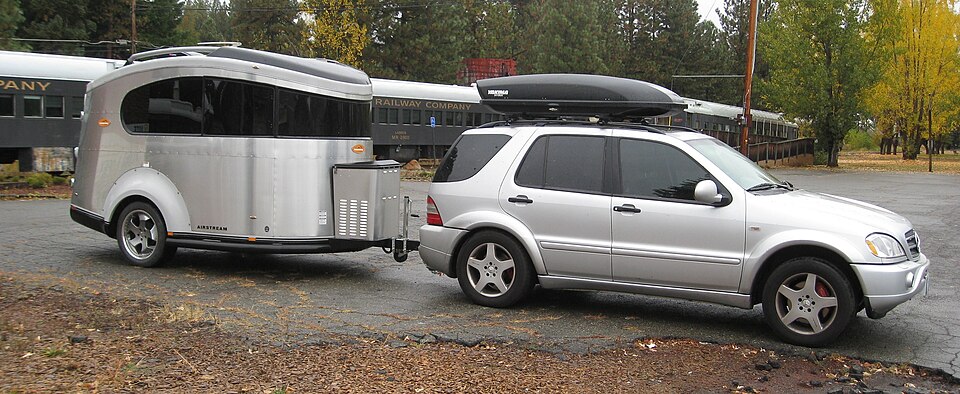
Choose an appropriate place to meet, decide how a test drive or equipment demonstration will be handled and allow reasonable independent inspection. A serious buyer may want to check tires, roof seals, electrical systems and vehicle weight information. Do not treat an inspector's findings as an insult; they help make the condition understandable.
If someone demands a deposit through an unfamiliar service, or insists on documents being sent to a third party without explanation, verify the request before continuing. A rushed sale can create avoidable disputes.
Document payment and handover
Use a written agreement, record what is included and confirm the method of payment with your bank or another trusted provider. Complete the state-specific ownership transfer correctly, and keep copies of the documents required for your records. Explain any accessories, spare keys or manuals included.
Campspot.eu gives you access to a shared international marketplace. It does not guarantee local US buyers or mediate payment, titles or transport. Verify the advertising tools and geographical reach before publishing.
Build a vehicle information sheet before publishing
Prepare a single record of the information you intend to share with prospective buyers. Confirm the make, model, year, actual configuration, mileage where applicable and ownership documents. Describe modifications, repairs and the included inventory separately. If you cannot confirm a detail, identify it as unconfirmed rather than inserting an estimate that later becomes a disputed claim.
The RV listing photography guidance explains how photographs can make a listing more useful. Show the actual vehicle and give readers a realistic impression of its condition. Keep a record of what the pictures show so that you can answer questions about particular features. Avoid distributing personal identifiers or unrelated documents through public advertisements.
Set an asking price with a clear basis
Gather comparable listings for similar RVs, taking account of their model year, configuration, documented condition and location. A current asking price is not evidence of a completed sale. Record the significant differences between examples before drawing conclusions about your own vehicle. If comparable units are scarce, ask an appropriate professional for an assessment.
The RV valuation page can help you organize the questions that influence a price estimate. A professional vehicle inspection can clarify unresolved condition questions before negotiations. Consider disclosing the relevant findings to serious buyers in a way that protects personal information. The objective is a consistent description that corresponds to the actual vehicle, not a promise of a particular price.
Coordinate the sale with verified ownership and payment requirements
Before completing a private transaction, contact the relevant state authority about the process that applies to the particular vehicle and your circumstances. Ownership documentation, outstanding obligations and transfer requirements must be verified before agreeing to a final handover. Ask your bank or other established payment provider how the agreed method of payment can be confirmed.
Use the safe-trading guidance for general awareness of marketplace transactions. Keep a written record of the included inventory and agreed conditions. Arrange a suitable time and place for the buyer to review the documents and vehicle with the appropriate people present. The regional RV selling overview is available for information about listing preparation. Confirm that the actual transaction steps are handled by the responsible parties rather than assuming the platform carries them out.