




Guide
Class A, B and C RVs in the USA: What Really Changes?
Compare the three common motorhome classes by size, practical driving, living space, inspection needs and storage rather than choosing from a label alone.
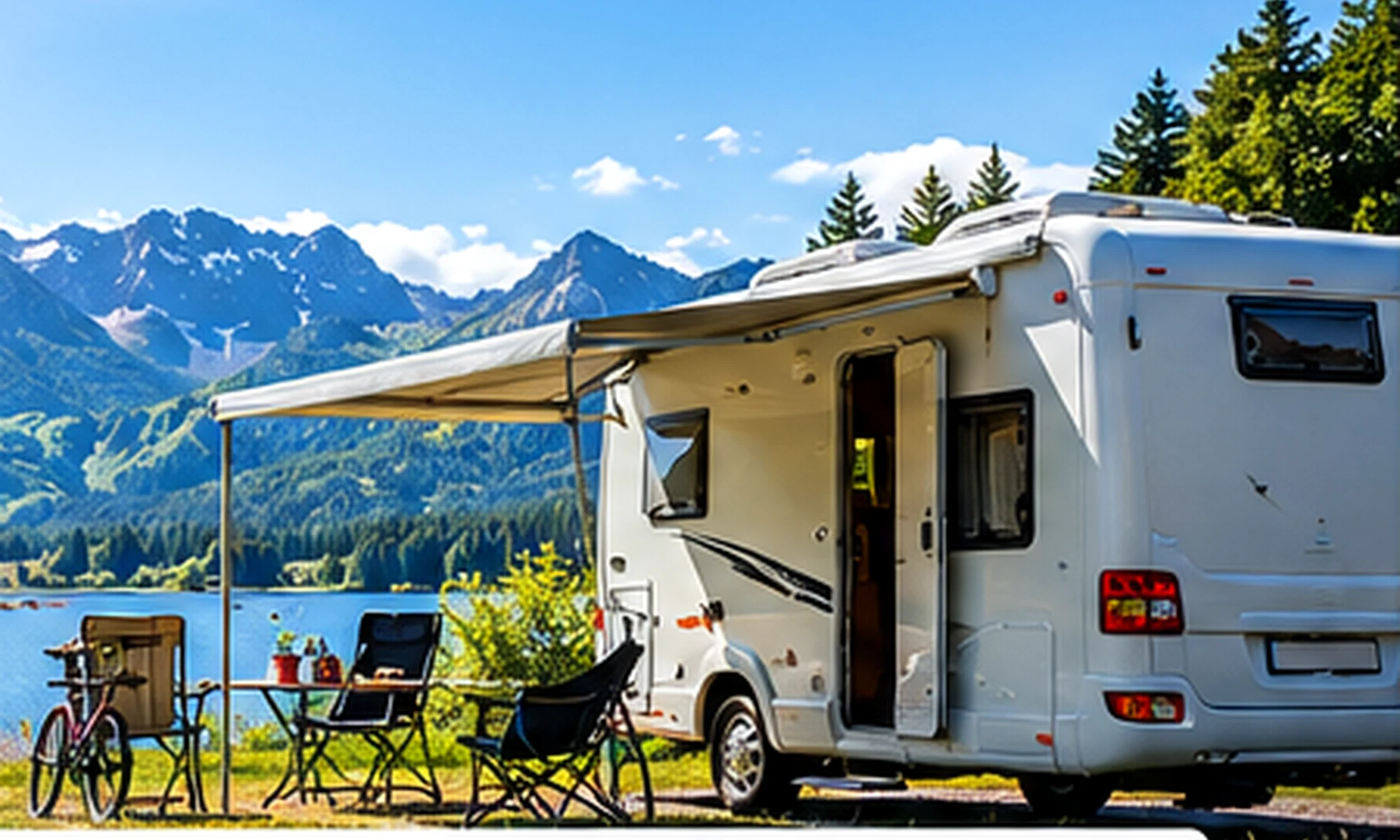
Compare motorhomes, travel trailers, RV rentals and storage options. Read original guides written for American RV owners and browse verified locations in the international listings.
We currently have no active ads located in the United States. You can read our original US buying guides or explore international adverts with their actual country clearly shown.
Free basic listingsUse the existing Campspot advertising account to share vehicle details and photos.
Clear vehicle detailsCompare documented features and check the seller's actual location.
Buy or rentLearn about vehicle ownership, rentals and storage without false local inventory claims.
Independent guidanceResearch RV types, ownership costs and practical safety checks.
Compare the three common motorhome classes by size, practical driving, living space, inspection needs and storage rather than choosing from a label alone.

Understand why trailer dry weight alone is not enough and which manufacturer ratings to review before choosing a tow vehicle and trailer combination.

A practical checklist of RV insurance topics, from storage and travel to rentals, exclusions and vehicle modifications.
A Campspot account is shared across all languages. Publish honest details, choose the correct country and review the platform terms before listing.
Buying or using a recreational vehicle in the United States comes with questions about titles, tow ratings, insurance, storage and long-distance travel. Campspot brings together practical vehicle education and a marketplace that clearly identifies where real advertisements originate.
Class A, B and C motorhomes differ in size and layout, but condition matters more than a label. Before paying a deposit, examine maintenance records, water intrusion, tire age, approved seating and state-specific paperwork.
Check the real loaded trailer weight, hitch rating and tow vehicle payload. A trailer's advertised dry weight alone does not establish safe towing capacity. Verify the manufacturer specifications for the combination you plan to use.
Outdoor, covered and indoor storage offer different protection and costs. Ask about security, dimensions, access, insurance obligations and weather exposure before choosing a facility.
A short trip to a state park and a cross-country journey call for different layouts. Explore motorhomes and RVs if you prefer a single self-contained vehicle, or compare travel trailers if you plan to keep a tow vehicle available at camp. Consider where you will park the rig between trips and review RV storage options before purchasing. Confirm the actual state and location of each listing, rather than assuming every vehicle is nearby.