

Use the actual towing combination
A caravan's advertised unladen weight is not the amount carried on holiday. Clothing, water, gas and equipment add mass. Check the caravan's permitted maximum laden weight and the tow vehicle's approved capabilities. A general towing-capacity claim may not fit the exact model you own.
Include the car's own passengers and luggage when thinking about load limits. Manufacturer specifications and qualified advice are safer than assuming that a familiar-looking outfit is compatible.
Check trailer and hitch equipment
Brakes, tyres, suspension, coupling devices and electrical connectors all need to be suitable and in sound condition. Look at maintenance records and have unusual modifications assessed. A caravan that has been stored for a long time may require servicing before travel.
Inspect the roof and body for damp too; mechanical safety and the condition of the living space are separate concerns.
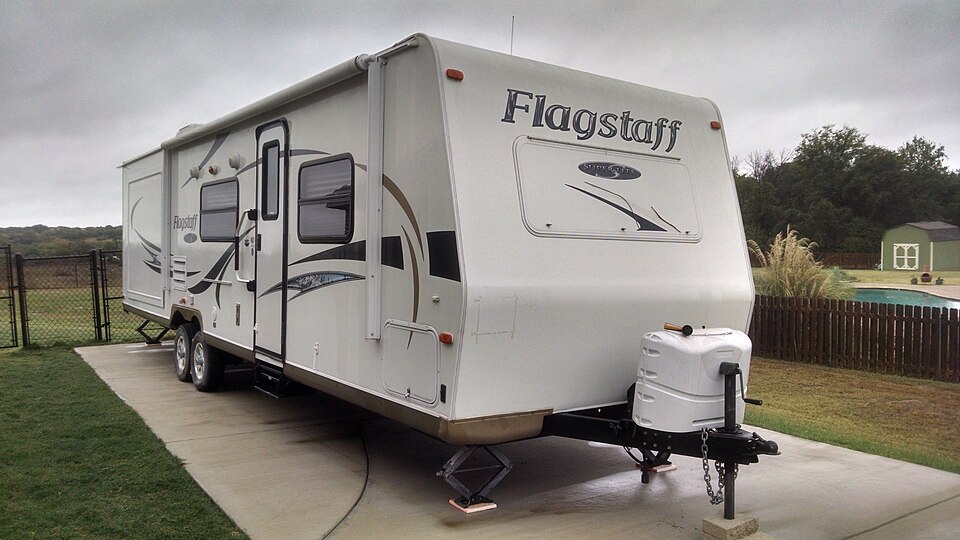
Plan for narrow roads and campsites
Ireland has rural roads where long outfits need extra turning space or careful route choice. Check vehicle dimensions and authorised access instead of relying on the fastest car route. Confirm with a campsite that it accepts the caravan and tow car combination.
Leave realistic time for reversing, setting up and rest stops. Coastal weather may affect the conditions you encounter during a journey.
Confirm applicable rules and insurance
Requirements can depend on licence entitlements, the vehicle and the intended use. Consult the responsible Irish authorities and the manufacturer's documentation for current guidance. Ask the insurer about coverage for both storage and towing.
Campspot offers editorial guidance and international listings; it does not approve towing outfits or guarantee a local Irish caravan inventory.
Gather information about the precise vehicles
A touring caravan advertisement may quote a figure from the original sales brochure rather than documentation for the individual vehicle being offered. Ask for records identifying the exact model, manufacturing version and important changes made by previous owners. Organise that information separately from the records of the intended towing vehicle. Where a description cannot be confirmed, mark it as unresolved rather than substituting details from a similar caravan.
Take the available information to an appropriately qualified specialist and ask what else is needed to assess the proposed combination. The Irish caravan towing overview explains the general vehicle category, but no guide can confirm suitability for a particular pairing. Request professional clarification of any conflicting specifications before making a purchase commitment. Keep documentation questions separate from the seller's claims about how the caravan has previously been used.
Distinguish the caravan condition report from compatibility advice
An independent examination of a used caravan can establish useful information about its current condition and maintenance history. Find out which parts of the caravan a proposed examination covers. Ask whether a separate specialist assessment is needed for equipment or matters outside the scope of that appointment. A report should be read in the context of what was actually examined.
The caravan inspection information can help you prepare questions for the professional. Ask for written findings and explanations of unresolved issues. If additional work is identified, obtain an appropriate quotation before deciding whether the caravan represents good value. A condition report does not automatically confirm the suitability of the proposed vehicle combination, so keep the two assessments distinct in your purchase file.
Check administrative requirements with Irish authorities
The official requirements that apply to a caravan and towing vehicle depend on the actual circumstances. Consult the Road Safety Authority guidance linked below rather than relying on a quotation from a former owner or an old forum conversation. Ask the appropriate professional or authority to clarify how the current requirements apply to your individual vehicle arrangement. Do not assume that all combinations sold in Ireland or elsewhere share the same requirements.
When considering an imported caravan, establish what records will accompany the purchase and ask which further administrative steps may apply. Keep those answers beside the documentation of each vehicle. Questions about ownership or registration procedures should be resolved with the responsible organisation; suitability and condition questions belong with qualified specialists who can assess the relevant vehicles.
Include accommodation preferences and recurring costs in your decision
Think about the kind of campsite stay you and your travelling group enjoy. Compare permanent sleeping spaces, dining arrangements and storage when the caravan is occupied. The accommodation features can be assessed as preferences while the technical suitability of the complete vehicle arrangement must be established separately. An attractive interior is not a reason to set aside questions about documented condition or compatibility.
Obtain written quotations for storage and professional maintenance services that suit the caravan you are considering. The Irish damp prevention guide gives useful background for discussing seasonal ownership with appropriate service providers. Discuss the proposed arrangement with an insurer; the Irish recreational vehicle insurance page lists topics for that conversation. Record the confirmed expenses and professional findings before comparing the purchase prices of different caravans.
A final purchase comparison should make the preferred accommodation, the available documents and the professionally assessed requirements visible in separate sections. This avoids giving a single advertised towing figure more importance than the actual individual assessment and the cost of retaining the vehicle throughout the year.