
Distinguish parking from camping
A vehicle may be permitted to park somewhere without being permitted to stay overnight or use it as a campsite. Restrictions can depend on local authorities, landowners and site operators. A promising photo or a map pin is not evidence of permission.
Look for current official signs and written operator rules. Respect barriers, height limits and restrictions on setting out chairs, awnings or other equipment outside the motorhome.
Assess the site's practical suitability
Even if overnight stays are allowed, the space must fit your motorhome's length and width. Check whether there is suitable access, safe turning room and any restrictions for trailers or towed vehicles. Public car parks can have very different purposes and facilities.
If the overnight location has no waste disposal or water supply, plan how to use proper designated services elsewhere. Never assume a simple parking facility has the infrastructure of a campsite.
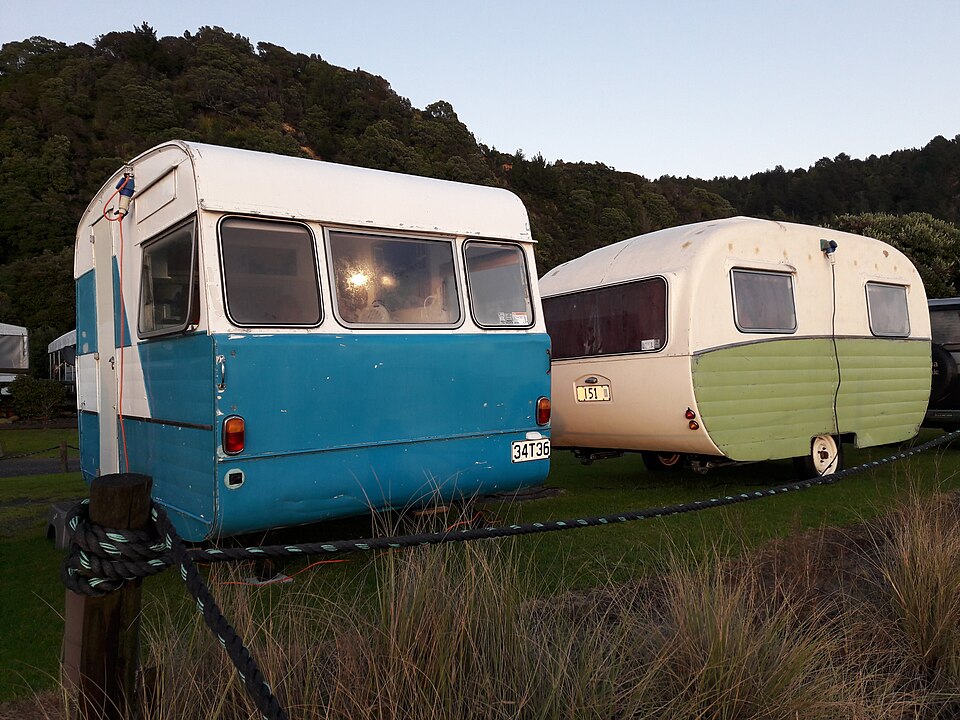
Plan alternative places to stay
Weather, closures and seasonal demand may change the options available on the day. Identify authorised alternatives, especially on remote coastal routes. Check arrival times if a campsite requires a gate code or staffed check-in.
Do not rely entirely on informal online lists that may be out of date. For rules affecting a particular place, the owner, council or responsible body is the appropriate source.
Leave places in good condition
Observe quiet hours, do not block emergency access and use suitable waste facilities. Respect private property and the needs of other road users. Responsible behaviour helps protect access to legitimate overnight stopping places.
Campspot.eu is not a campsite or parking reservation service. Our Irish guides explain questions to check, while permission and availability must be verified locally.
Identify what you need from an overnight location
A brief overnight stop and a holiday spent at one accommodation base serve different purposes. Before comparing locations, decide whether you require a confirmed campsite for several nights or another authorised overnight arrangement. If the location is meant to support visits to nearby attractions, consider which services and connections are important to your group. A description of a place as a scenic viewpoint does not establish that it provides accommodation.
Keep the different types of location separate in your research. A managed holiday park, a dedicated facility for motorhomes and a public car park may have quite different conditions. Find out who is responsible for the place and ask what use is authorised. If the permission is unclear, choose an established accommodation provider that confirms the proposed overnight stay.
Ask the responsible operator about the specific location
Irish coastal car parks and facilities near towns may have purposes unrelated to tourism accommodation. A list compiled by travellers can help you discover the names of locations, but it cannot replace confirmation from their managers. Consult current information from the relevant local authority, landowner or operator. Ask about the dates you intend to visit, the vehicle category and the kind of stay you are proposing.
Record the source of the answer and the date on which the conditions were confirmed. Avoid treating another traveller's previous visit as a general authorisation. Where a place has more than one designated area, confirm which one the operator means. These details are particularly important if an accommodation description is shared across several websites without distinguishing the different parts of the site.
Compare facilities with the accommodation in your own motorhome
The facilities you want at an overnight location depend partly on your vehicle and partly on the length of the stay. Some visitors prefer a site with established visitor services, while others prioritise convenient access to the town or attraction they want to visit. Ask operators which services are included in a booking and which need separate arrangements. Do not infer that all pitches have the same facilities.
The campervan accommodation guide provides context for comparing compact interiors and their limitations. A larger motorhome may have a different living arrangement but still requires an appropriate authorised space. If a vehicle is hired, request its actual specifications from the provider and confirm the booking with the site. Keep the vehicle information and accommodation confirmation together instead of assuming that a general category is sufficient.
Keep an overnight accommodation record for your Irish holiday
For each confirmed location, retain its name, operator's contact details, booking dates, agreed charges and included services. Separate confirmed reservations from other places you have encountered in your research. Also note which attractions you expect to visit from that base and obtain their current visitor information. This will help you compare the practical benefits of two accommodation options without relying on descriptions from old travel posts.
If you are preparing a longer coastal holiday, the Irish campervan travel articles provide further background on regional holiday planning. The Ireland knowledge base also covers vehicle choices and practical ownership questions. Use those pages as research material, not as evidence of permission for any individual overnight location. Campspot cannot authorise parking or confirm reservations. Before relying on any site, obtain the applicable information directly from the person or organisation responsible for it.
Finally, compare the total confirmed cost of the location with the services you need for that part of the holiday. A parking charge and a campsite rate may cover different things. Keeping the purpose of each stay clear prevents an apparently cheap option from being treated as equivalent to accommodation with the facilities you actually require.