

Write a clear and complete advert
State the actual make, model, year, mileage, conversion details and known faults. Provide recent photos of the exterior, cabin, sleeping area, kitchen and important equipment. A truthful description should include repairs, water damage and anything that does not work as intended.
Avoid using stock images that could mislead somebody about the actual vehicle. Explain the vehicle's real county and whether it can be viewed, inspected or demonstrated.
Prepare relevant documents
Buyers may want servicing records, registration details and available evidence of roadworthiness. The official requirements depend on vehicle classification and the nature of the transaction. Check the appropriate Irish transfer process before agreeing a handover date.
If an outstanding financial interest or unresolved documentation issue exists, seek proper guidance. Do not imply a sale is straightforward until the records have been checked.
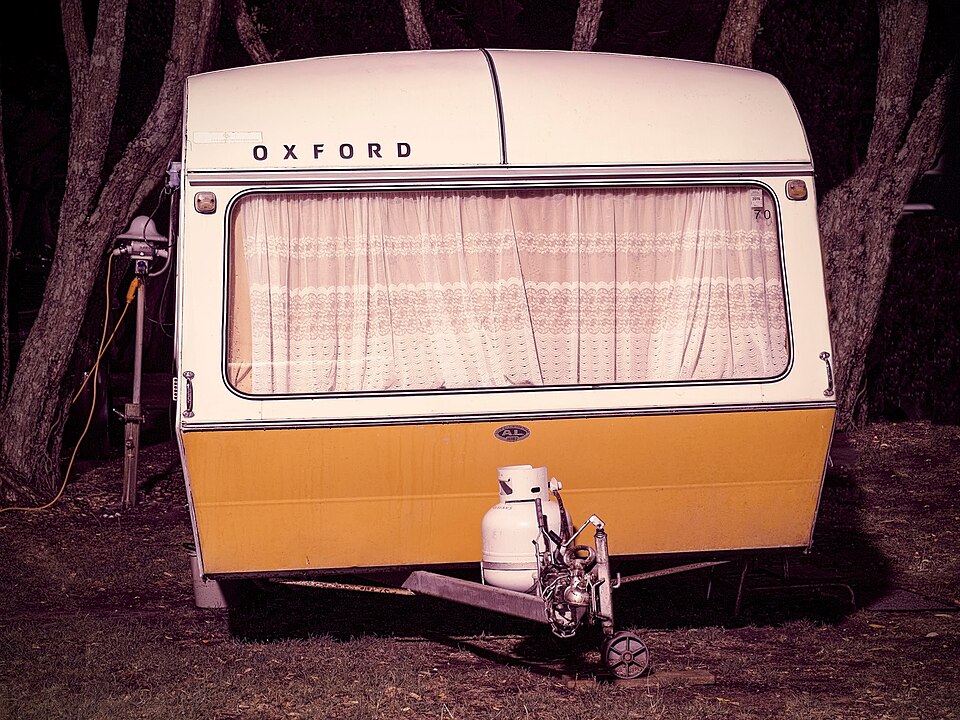
Arrange a safe inspection and viewing
Meet at an appropriate location and allow the buyer to examine mechanical and living systems. They may want an independent inspection for damp, conversion quality or running gear. For a test drive, confirm suitable permission and insurance first.
Be wary of requests for unexpected deposits, one-time account codes or unrelated personal documents. Do not give a third party access to your Campspot account in order to 'verify' a sale.
Confirm payment and handover
Agree in writing the vehicle, price, accessories, condition and handover arrangements. Use a suitable payment method and verify receipt before transferring the vehicle or its documents. Retain records as required.
Campspot provides shared international advertising tools; it does not guarantee Irish buyer enquiries or act as an escrow service. The user remains responsible for the actual transaction.
Create a reliable advert from your own vehicle records
Before publishing a campervan advert, gather the information that identifies the actual vehicle and describes its present accommodation. Include the model and conversion details you can confirm, and distinguish factory equipment from subsequent additions. Make a list of items that will remain with the campervan following a sale. If details are uncertain or records are unavailable, state that accurately rather than copying the original brochure.
Show prospective buyers the county where the vehicle can actually be viewed. The campervan listing photography guide provides background about useful listing images. Take photographs that show the current interior configuration and included belongings, with separate pictures that explain the features you describe. Keep unnecessary personal information out of publicly visible images, especially photographs of paperwork. Retain the complete records for appropriate review.
Find a price comparison relevant to the Irish market
Look for advertisements for similar campervans with broadly comparable model years, conversions and equipment. Note the geographical location and documented condition of each example. A vehicle advertised abroad may not be directly comparable with one registered in Ireland, and an advertised amount does not establish the final agreed sale price. Record important differences before using any listing to inform your own price.
The campervan valuation guidance explains factors that can help organise comparisons. Ask an appropriate professional for an assessment if your campervan has a distinctive conversion or there are few relevant examples. Obtain clarity about the items that are included in the proposed price and maintain a consistent advert description. This gives interested buyers a useful basis for asking further questions, without promising that a particular price will be achieved.
Prepare for questions about conversion and condition history
A buyer may want to understand who carried out the conversion, which changes were made afterwards and what documents accompany the work. Gather existing professional reports and repair invoices in date order. Separate the history of the base vehicle from the history of the accommodation section so that the available evidence for each can be understood. Explain previous condition concerns and the work that has been documented.
If the available records leave significant issues unresolved, an independent campervan assessment may assist the parties. Ask the relevant professional and the prospective buyer to agree which matters are to be examined. Retain the written report and make clear which questions require additional specialist attention. Do not treat a photographic description or a single inspection document as proof that every part of the vehicle has been assessed.
Arrange a documented transfer with the responsible parties
Consult the current information from the appropriate Irish authorities about the ownership and registration steps relevant to the actual campervan. If there is outstanding finance or uncertainty about the documents, obtain qualified advice before agreeing a final transaction. Ask a trusted payment provider to explain the appropriate confirmation process for the agreed payment method. Do not disclose passwords or account access information to a prospective buyer.
The safe trading guidance gives background on marketplace precautions. The Irish campervan selling page explains the preparation of a listing on Campspot. Keep the agreed description, inventory and handover terms together, and confirm the appropriate administrative steps with the responsible parties. Involve a trusted person if you are unfamiliar with private vehicle sales. Campspot provides advertising tools, not payment escrow or a service that guarantees a transfer.
Before completing the arrangement, make sure the final agreement identifies the actual campervan and the items being included. Keep appropriate confirmation documents securely. A transparent sale is based on accurate information and verified arrangements, not on an urgent promise of payment or a request to bypass the normal process.