
Begin with a careful exterior inspection
After a prolonged winter storage period, look over the roof, vents, seals, windows, doors and underbody. Check for any damage that may have occurred during storms or snow exposure. Photograph anything unusual before cleaning or undertaking repairs. Moisture stains and deteriorated joints deserve a closer look, even when the interior seems dry.
Inspect the exterior equipment and storage compartments. If a cover was used, check for rubbing, trapped moisture and signs of damage rather than assuming the cover prevented every problem.
Recommission water and electrical systems
Follow the manufacturer’s instructions for bringing the water system back into use after winterization. Different RV plumbing configurations require different procedures, so a general article cannot substitute for model-specific guidance. Check for leaks and have issues examined before travelling.
Battery care depends on type, storage history and charging equipment. Verify that the electrical system operates correctly and seek professional help for damaged wiring or questionable alterations. Check installed safety devices as part of the process.
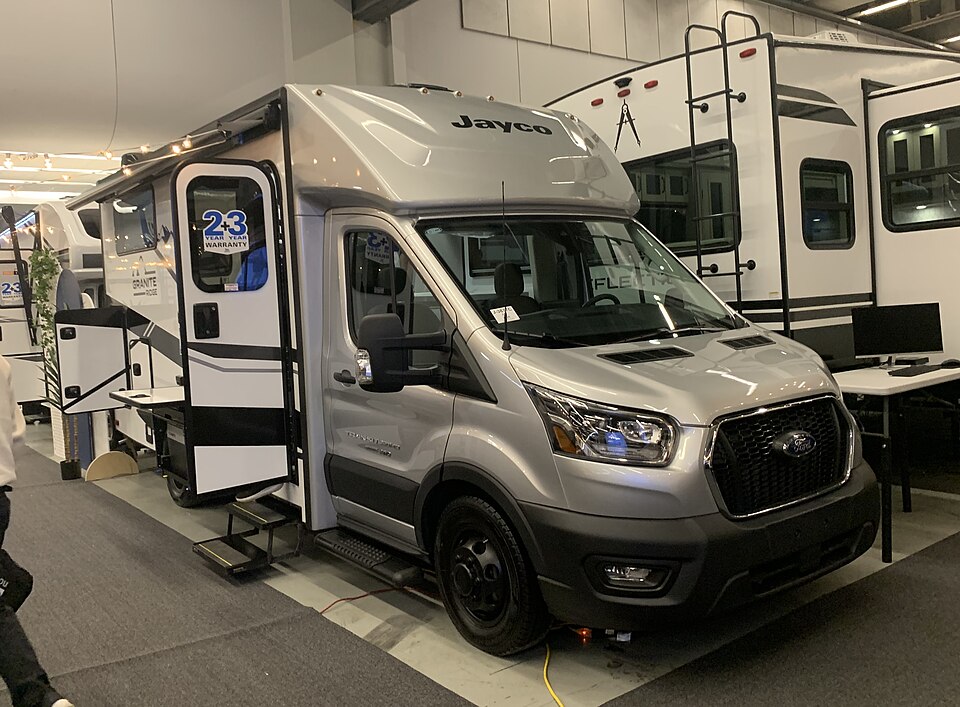
Review tires, brakes and roadworthiness
Inspect tire condition and pressure using the vehicle’s specifications. Age and storage damage can matter even when tread depth looks adequate. For motorhomes, review engine, fluids, brakes and suspension according to the manufacturer’s maintenance schedule; for trailers, check towing connections, bearings and braking systems.
A short, safe post-storage test can help reveal unusual noises or operational concerns, but serious issues should be assessed by a qualified service provider before a long trip.
Plan the first journey conservatively
Avoid scheduling a demanding trip immediately after collecting a vehicle that has been stored for months. Leave time to restore equipment, address faults and confirm campground operating dates. Spring conditions vary across Canada, including areas that remain cold or muddy well into the season.
Use Campspot’s independent guides for questions to ask and compare, then confirm relevant provincial requirements and service details with local providers. The site does not guarantee Canadian workshop appointments or campground bookings.
Compare the RV's condition with its autumn records
If the RV was photographed before storage, use those images and the accompanying condition report as a starting point for a spring review. Record any changes that are visible without dismantling components. Ask the storage operator whether any incidents, access restrictions or other circumstances affected the vehicle during its stay. Distinguish information the operator can confirm from assumptions about what may have happened during the winter.
A single organized record makes it easier to discuss observations with a service provider. Include the previous maintenance invoices and the manufacturer's information for the actual model. The seasonal RV care overview can help put spring preparation in the context of the entire storage cycle.
Arrange the right professional appointments before departure
Different workshops may specialize in vehicle maintenance, the living compartment or particular equipment manufacturers. Describe the vehicle and the questions you want assessed when contacting a provider. Ask what is included in the proposed appointment, whether additional specialist services might be necessary and how the findings will be documented. A general inspection should not be assumed to cover every installed system.
If the storage history is incomplete or the vehicle has recently changed owners, an independent RV condition assessment may be useful. Request a written explanation of any items needing further attention. Prioritize resolving condition and safety questions before making arrangements that depend on the vehicle being ready for travel.
Use the first spring holiday as a planning milestone
Choose a prospective date for your first holiday, but keep reservations flexible until the necessary professional work and checks have been completed. Campground services may open at different times across Canada, so request confirmation of the specific facilities you want to use. A published summer description is not necessarily an accurate account of what is available on an early-season visit.
Review the expenses associated with preparing the RV for another season. Keep invoices and any recommendations for subsequent service together so that future appointments can build on the existing records. The Canadian RV insurance overview offers questions to discuss with a licensed provider when the storage period ends or the intended use changes. Confirm your own arrangements directly with the responsible insurer.