
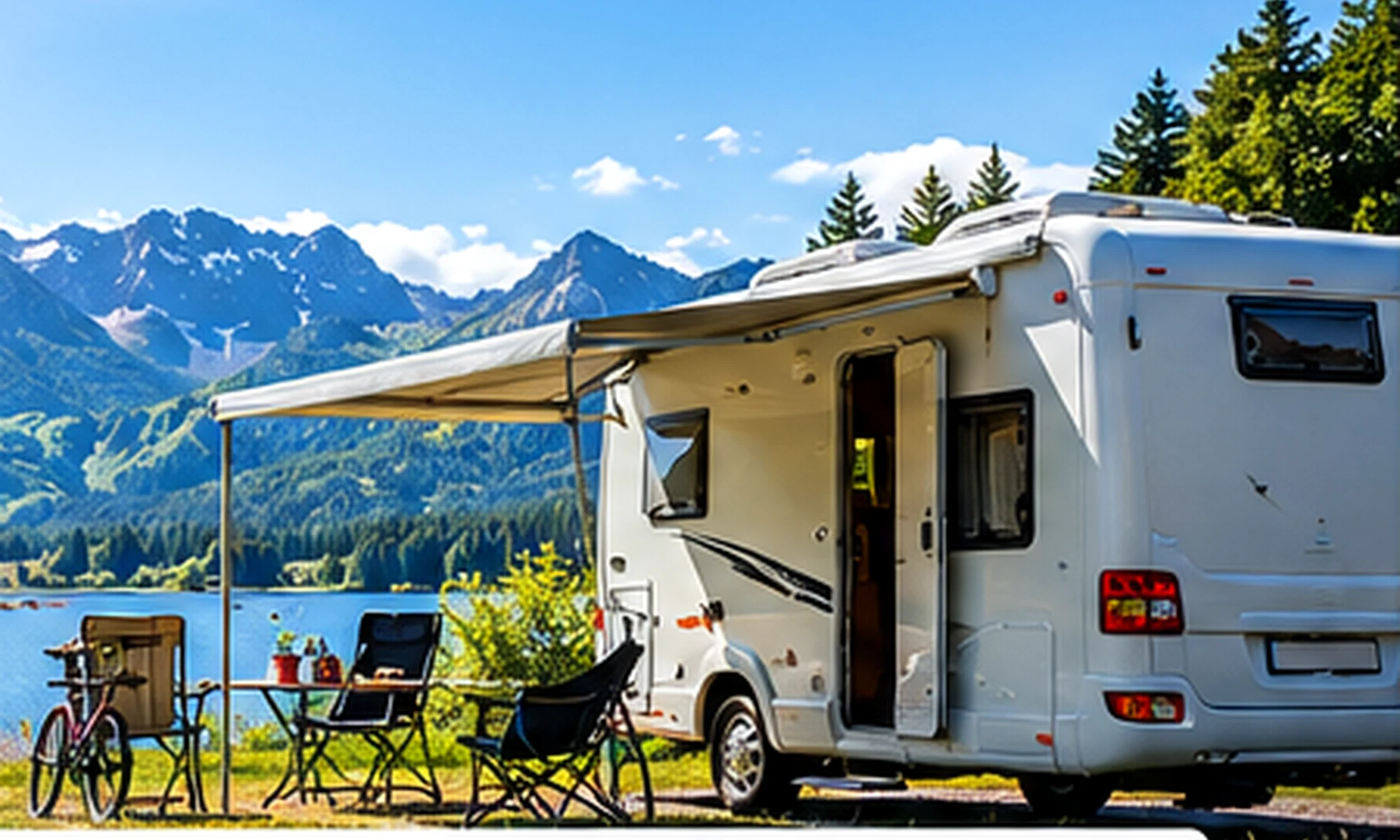
Start with distances and the right season
Canada's scale can make a route that looks simple on a map considerably more demanding in a recreational vehicle. Set reasonable driving stages, identify fuel and supply stops and leave flexibility for weather and road conditions. An RV may handle differently from a car on narrow, winding or steep roads.
Check seasonal road information from responsible public authorities. Some scenic routes and campground facilities operate only during part of the year. A planned arrival time should account for rest, vehicle checks and delays.
Match campgrounds to the vehicle
When selecting places to stay, compare your actual vehicle length, height and electrical setup with the operator's rules. A campground pitch suitable for a camper van may not fit a larger motorhome or a tow vehicle and trailer combination. Ask whether the surface is appropriate in wet weather and whether you can arrive after reception hours.
National parks, provincial parks, private campgrounds and ordinary parking lots have different conditions. Never assume that stopping a vehicle for the night is automatically authorized camping.
Plan a routine for supplies and waste
Determine how often you need drinking water, electric charging and wastewater disposal. Not every basic stopover provides these facilities, and disposal must be handled through designated systems. If travelling far from urban services, plan where replenishment and maintenance are possible.
Carry information about the vehicle, emergency contacts and the locations of suitable repair providers along the route. A long trip is easier when routine maintenance has been completed beforehand.
Keep flexibility for local conditions
The attractions most worth seeing are not necessarily best visited on the longest possible driving day. Alternate travel with longer stays and consider using public transport or local activities from a campsite. With a towable trailer, an appropriately parked trailer may allow day trips in the tow vehicle.
Campspot's Canadian guides help with vehicle choices and route planning but do not take campground reservations. Verify schedules, permission and costs directly with operators.
Give each region a distinct purpose in your holiday
A cross-Canada holiday can include urban visits, time near lakes and longer stays in natural areas. Instead of assuming that every destination needs the same amount of time, identify the experiences that matter to the travelling group. Choose a manageable number of accommodation bases and investigate which local attractions can be visited from each one. A plan based on several longer stays can be quite different from a journey with a new destination every evening.
Keep the dates of must-see events and confirmed reservations separate from places that are merely possibilities. Confirm admission arrangements and seasonal opening with the relevant operators. This makes it easier to revise an itinerary when one of the hoped-for experiences is not available.
Choose accommodation around the actual travel group
The difference between a compact van and a motorhome with separate living areas becomes particularly noticeable during multi-day stays. Consider sleeping arrangements, storage for clothing and the indoor space needed when planned outdoor activities are unavailable. The Class B camper van guide provides context for comparing compact accommodation with other layouts.
If you are considering hiring a vehicle, ask the provider which features and services the actual booking includes. Where a trailer is an option, obtain professional confirmation that the complete arrangement is suitable before booking. Keep a record of confirmed vehicle details and ask accommodation operators whether they accept the specific type of unit.
Organize the practical details by destination and date
Create a record for each overnight location with its confirmed booking dates, contact details, included amenities and any separate charges. Where you plan a visit to a public park or another managed area, consult the responsible authority for current visitor information. A reference to a place in an older travel guide does not establish its availability or permitted use.
Include a separate preparation budget alongside the accommodation budget. The seasonal RV care overview helps explain why the timing of the holiday matters when arranging professional service. Review the Canadian RV insurance guidance when discussing the intended travel area with a licensed provider. Campspot provides information rather than acting as the operator of a campground or reservation service.