
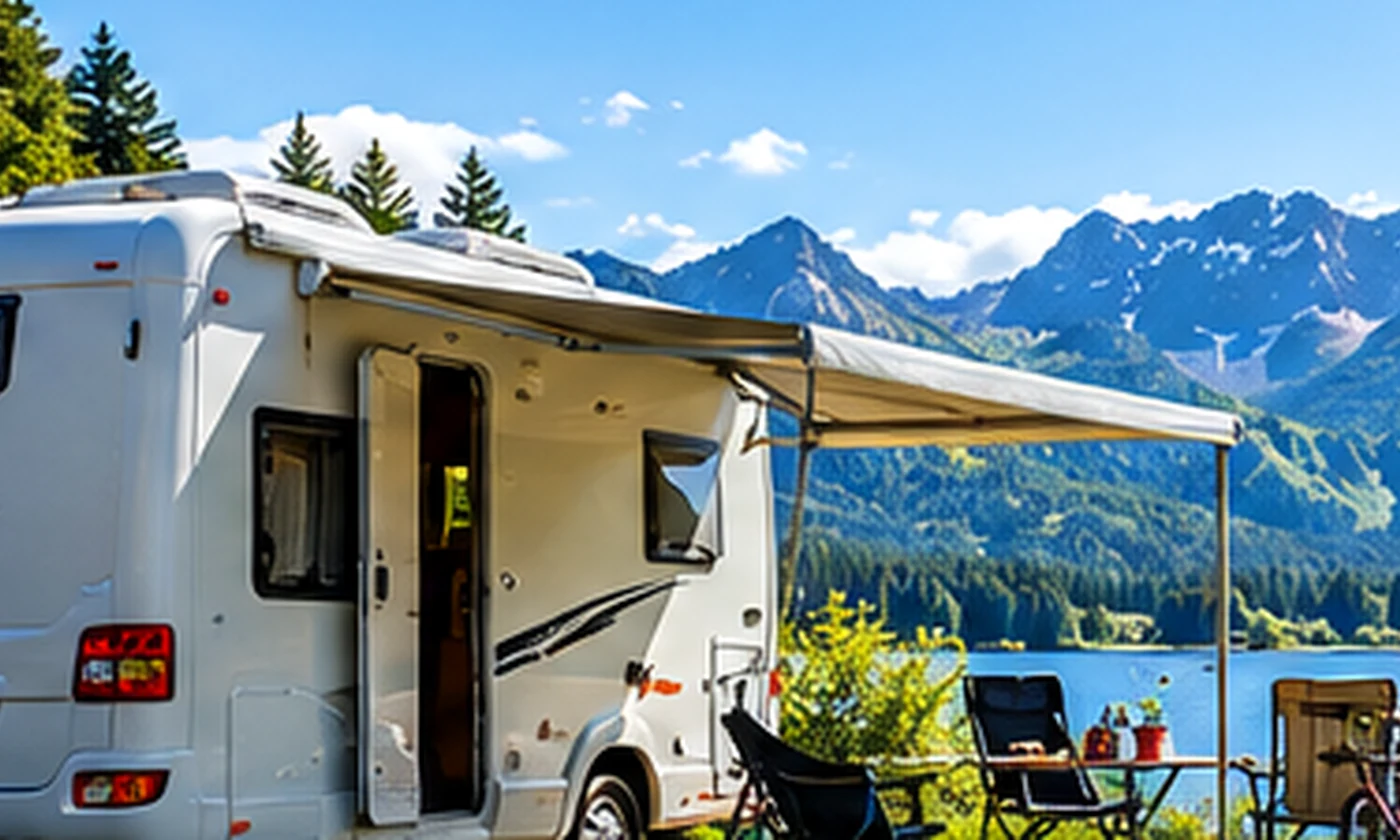
Start with the total acquisition cost
A listed RV price does not necessarily include provincial taxes, transfer charges, inspection costs or insurance. These vary according to the jurisdiction and the nature of the purchase. Compare the actual cost of acquiring and registering each vehicle, not just the number in an online advertisement.
For a used vehicle, allow for immediate repairs and maintenance. Tires, batteries, roof seals or damaged plumbing can add significant expense before the first holiday. A realistic budget should include a contingency for unexpected issues.
Plan for months when the RV is not travelling
Winter storage is a recurring ownership decision in many parts of Canada. You might pay for an outdoor lot, a covered shelter or indoor storage. Ask about deposits, access restrictions, insurance responsibilities and any additional services such as winter preparation or inspections.
Storage near home may be worth paying more for if you need regular access. A lower-priced remote facility can create extra travel costs and delays.
Include travel and campsite costs
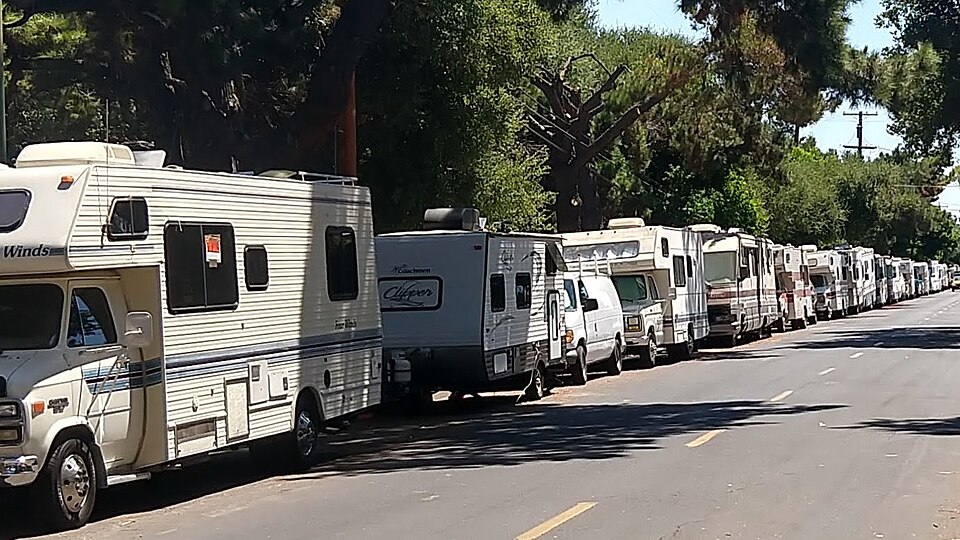
Fuel, maintenance, tolls, campground rates and supplies will vary with the route, season and vehicle. Larger motorhomes often use more fuel, while trailers introduce maintenance and operating costs for the tow vehicle too. Estimate based on your expected usage rather than a generic annual average.
If you plan to travel across provinces, check any restrictions, insurance requirements and service availability. Campground reservations and local fees belong in the travel budget, although Campspot.eu does not manage campsite bookings.
Consider resale and maintenance history
No website can guarantee a resale value for a particular RV. Condition, age, layout, documentation and regional demand all influence what a buyer may eventually pay. Keeping maintenance records and dealing with leaks early can help demonstrate the vehicle's condition.
Use Campspot's Canadian guides for comparison, then verify provincial taxes and the terms of actual insurers or service providers. The international listing platform does not promise local Canadian stock.
Keep the purchase cost distinct from future annual expenses
Begin with the actual asking price and a separate list of the costs you need to establish before acquisition. Request current information about the applicable provincial administrative requirements from the relevant authority. Gather written estimates for inspections and professional work that may be necessary on the particular RV. If financing is relevant, request complete terms from a qualified provider rather than estimating costs from a promotional payment amount.
For a used vehicle, the RV inspection overview can help you prepare questions for a specialist. Treat any work not yet assessed as an uncertainty. A useful first-year estimate shows which amounts have been confirmed and which remain to be clarified, rather than masking missing information in a single total.
Treat winter storage as a recurring part of the budget
Ask storage operators for quotations that cover the entire anticipated period, including any minimum contract length and access arrangements. Record optional services separately so that two different facilities can be compared on a similar basis. Consider how often the RV will need to be accessed and whether the location makes planned appointments practical.
Use the seasonal RV care guide as background when discussing professional preparation and spring servicing. Make separate allowances for confirmed services, future appointments and unforeseen expenses. Do not assume that a quotation for merely occupying a space also includes maintenance or other services during the winter.
Compare several years without assuming a resale price
For a particular RV, build a record of the initial cost, recurring expenses and anticipated holiday spending. Ask a licensed provider for a quote based on the actual vehicle and intended use; the Canadian RV insurance information identifies topics to discuss. Review whether the planned number and type of holidays justify the accommodation features you are paying to maintain.
Keep possible future resale proceeds separate from costs that you already know. The RV valuation guidance describes factors such as model, condition and comparable vehicles, but a later sale price cannot be established today. Review the budget whenever storage arrangements, insurance terms or usage change. This is a framework for comparing ownership scenarios, not an estimate of what any household can afford.