
Think about the way you travel
A camper van can feel easier to drive and park than a large motorhome, but compact layouts require compromises in sleeping space, bathroom facilities and storage. A bigger motorhome may make extended stays more comfortable while presenting greater challenges on narrow roads and in smaller parking areas.
Make a list of what you need every day, not only on an ideal holiday afternoon. Number of approved travel seats, sleeping arrangements, safe loading and easy access to essential equipment are practical starting points.
Compare real dimensions and weight
Marketing categories do not replace the dimensions printed for the actual vehicle. Check external height including roof equipment, total length and manufacturer weight ratings. Payload matters if you travel with several people, heavy supplies, bicycles or other equipment.
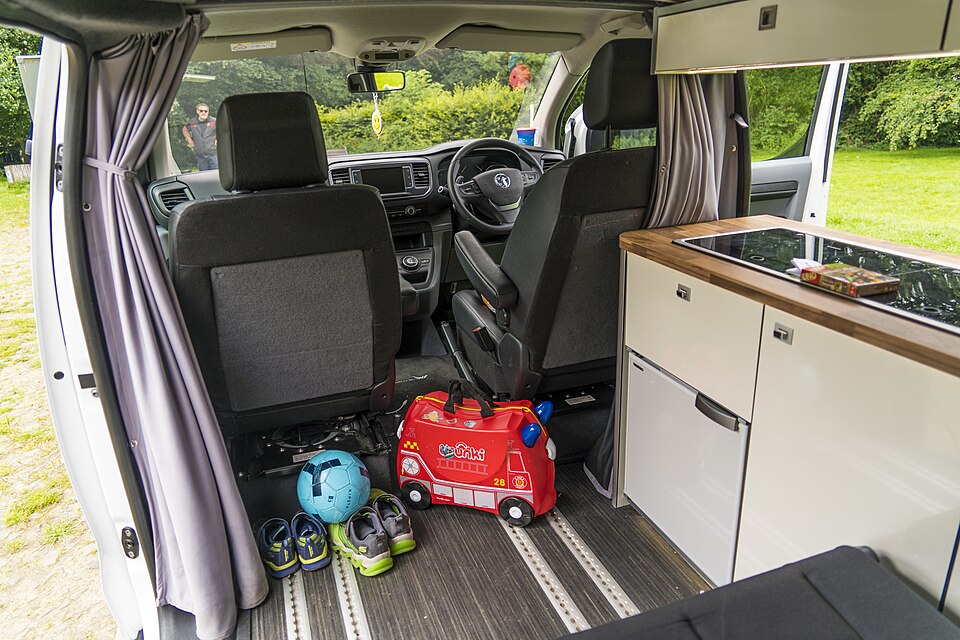
Test whether you can comfortably move through the interior and use sleeping areas without repeatedly rearranging furniture. Consider where equipment will be stored when the beds are in use.
Evaluate weather and storage conditions
Canadian travel may involve cool evenings or wet weather even outside winter. Check heating, ventilation, insulation and whether the plumbing configuration matches how you intend to use the vehicle. Do not assume a camper van is suitable for freezing conditions simply because it has a heater.
For ownership, compare seasonal storage needs. Smaller vans may be easier to park, but local restrictions and commercial facility rules still apply. The cost of winter preparation should be part of your purchase budget.
Inspect before committing to a purchase
A used vehicle should be checked for leaks, roof seals, mechanical maintenance and electrical alterations. Ask for service history and verify documents according to provincial requirements. The vehicle that looks easiest to drive may still have costly hidden repairs.
Campspot provides vehicle-buying guides and international adverts; current listings should not be assumed to be located in Canada. Verify the seller's location and terms before making arrangements.
Picture a complete day in each living arrangement
Imagine a day when the group spends a substantial amount of time inside the vehicle. Compare where each person can sit, where belongings are kept and whether the beds interfere with other daily activities. Some travellers prefer a permanent bedroom or separate dining space; others are happy with furniture serving several functions. The important distinction is how the specific layout suits the holiday, not how large the vehicle appears in photographs.
Explore the Class B camper van overview if a compact vehicle is appealing. Ask sellers to provide the actual measurements of the sleeping areas and storage compartments. List the features you need every day separately from those that are merely desirable. Compare layouts using that list at each viewing.
Consider the seasons in which the vehicle will be used
Someone planning summer holidays in southern Canada may have different accommodation priorities from an owner who expects to spend time away during cooler months. Ask the manufacturer or an appropriate specialist about the intended use of the particular vehicle. Do not infer suitability for a season solely from the presence of heating equipment or a general advertising description.
The seasonal RV care information can support conversations about the annual ownership cycle. Ask local storage providers what dimensions they accommodate and what their access arrangements are. Include their confirmed charges in the ownership comparison. The benefits of a larger living space should be weighed against the practical arrangements required when the vehicle is not in use.
Review the documentation before comparing prices
When looking at a van conversion, establish who carried out the conversion and which documents describe its original and current configuration. For a larger motorhome, request records relating to both the base vehicle and the living section. Ask about significant alterations and repairs. Missing documentation should remain an open question in your comparison rather than being treated as evidence that no work was needed.
A qualified RV inspection provider can assess matters that you cannot reasonably establish from a viewing. Request details about the scope of the inspection and keep the report with the seller's information. Compare the purchase cost and foreseeable ownership expenses for each individual candidate. Two vehicles with similar asking prices may offer quite different accommodation and documentation.