
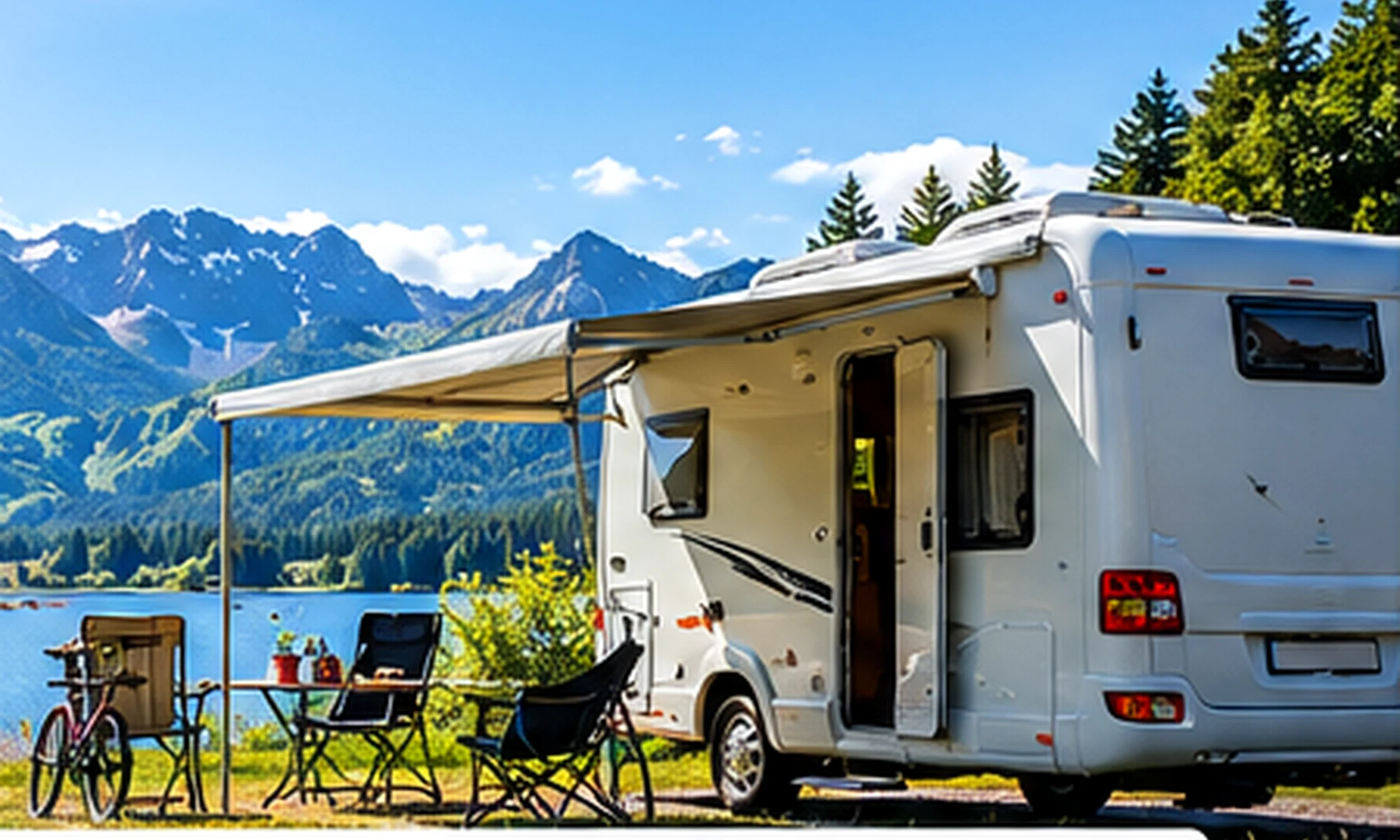
Plan for the scale of the journey
Driving distances can be substantial, particularly between regional towns and services. Create a route with realistic daily stages and opportunities for rest, fuel and supplies. A motorhome may be larger and less manoeuvrable than a passenger car, so an optimistic map estimate may not reflect your actual pace.
Check current road information from authoritative sources. Weather, roadworks and remote-area conditions can alter access unexpectedly. Do not rely on old forum posts to decide whether a road is open or suitable for a particular vehicle.
Match stops to the motorhome
A motorhome needs appropriate space, safe access and any services the travellers require. Check permitted vehicle length, height limits, entrance conditions and whether electricity, water or waste facilities are available. Overnight parking and camping have different rules depending on the site.
If you use a caravan park, reserve with the operator or an authorised booking provider. Campspot.eu publishes information and vehicle adverts but does not itself sell campsite reservations.
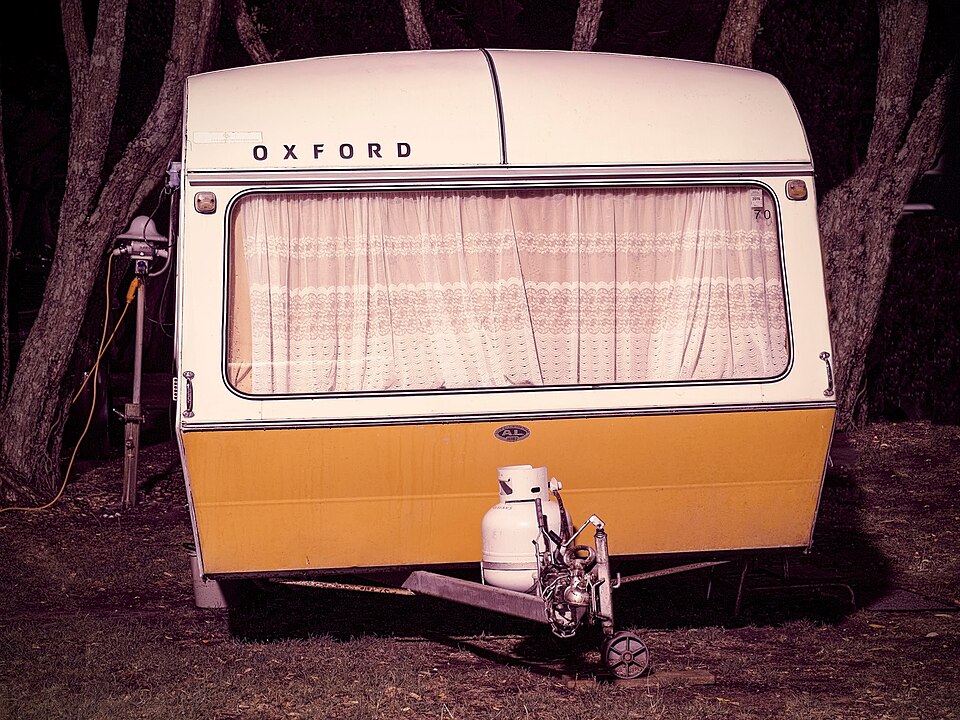
Prepare for regional climate
Conditions vary between tropical, arid, alpine and coastal areas. Consider drinking water, ventilation, shade and reliable vehicle maintenance. Always follow the specific vehicle's manufacturer guidance for safe loading and operation rather than adapting a generic checklist blindly.
Check tyre condition, battery capacity and fluid levels before a long drive. If you have a mechanical concern, use a qualified technician. Routine maintenance is more practical when completed before a remote section of the journey.
Keep the route flexible
Build in alternative stops and allow time for unexpected closures or weather changes. Long days behind the wheel can diminish the pleasure of a trip; a slower itinerary can be easier to manage and more enjoyable.
Use Campspot's Australia-focused guides for research, then verify any local road, camping and safety requirements through official channels. A regional guide is not a live traffic or booking service.
Choose the experiences that define the holiday
A motorhome holiday can combine regional towns, museums, coastal visits and time at a comfortable accommodation base. Start by identifying the experiences that matter most to everyone in the group. Make a calendar of activities that require reservations and distinguish them from the places you might visit if time allows. A good holiday plan does not need to incorporate every well-known destination in the country.
Consider building separate itineraries for different regions rather than treating Australia as a single destination. A trip centred on the coast may have different accommodation priorities from a holiday devoted to cultural attractions in regional towns. Ask individual operators about opening dates and the conditions that apply to the experiences you wish to book.
Choose the living arrangement for the people travelling
Consider where everyone will sit, sleep and store personal belongings during a multi-night stay. A compact vehicle may appeal to two people who expect to spend much of their time at local attractions, while a larger layout may be preferable for a family sharing indoor living space. Test your preferences against the accommodation facilities you plan to use.
The Australian campervan overview helps explain the compact accommodation concept. For an individual hire booking, ask the provider to confirm which model or configuration is actually included and what arrangements apply to changes. Obtain current information directly rather than assuming the published category describes every vehicle offered. Ask the accommodation operator whether it accepts that specific vehicle type.
Make a destination file with confirmed bookings
Keep the name, address, dates and contact details of each accommodation operator together. Record the services that are included in the booked site, along with any additional charges. If you intend to visit a managed reserve or other protected area, consult the responsible authority's current visitor information. A place being featured in an old travel article is not evidence that it is available or that overnight use is authorised.
Separately list the activities you have booked and any conditions relating to admission. This makes it easier to compare the cost of different regional holiday plans. It also allows you to see which dates are fixed and which can be changed without revising every other reservation.
Set aside a budget for preparation and the holiday itself
Request the actual accommodation and activity prices for your preferred dates. Include confirmed hire charges or ownership expenses separately from campsite fees and other holiday spending. Ask the relevant professional about the vehicle's preparation requirements; the seasonal caravan and recreational vehicle care guide provides background on the issues that can arise during the year.
Discuss the intended use and destinations with an appropriately qualified insurer. The Australian motorhome insurance information provides questions that may be relevant to that conversation. If a holiday booking depends on the availability of a vehicle that is undergoing inspection or maintenance, confirm the arrangements with the responsible provider. Campspot offers regional information and vehicle advertisements, but accommodation reservations should be made through the appropriate operator.
A useful itinerary record identifies reservations, confirmed costs and the dates when service providers are available. Review the plan as those confirmations arrive. This is more practical than assigning every day a sequence of attractions before the essential accommodation and vehicle arrangements have been established.