

Start with the vehicle specifications
The stated towing capacity for a broad vehicle model may be different from the limit for the exact variant and equipment you own. Read the vehicle and caravan plates and manufacturer documents. Important limits can include GVM for the tow vehicle, ATM for the caravan, towball download and other combination constraints.
Think of towing as a complete system rather than a single number. Fitting a heavy accessory or carrying supplies in the tow vehicle can use part of the available payload. A combination that seems acceptable from an advertisement can exceed a separate limit once it is loaded for travel.
Account for everything carried
Fresh water, gas cylinders, batteries, solar equipment, tools, clothing and bicycles add weight. Different layouts distribute the load differently and can affect handling. An unladen number does not tell you the precise mass of the outfit at the point of departure.
Build a realistic packing list and review where heavy items can be carried safely. The correct way to measure and balance a particular caravan depends on its design and the tow vehicle's requirements. Obtain qualified guidance when needed.
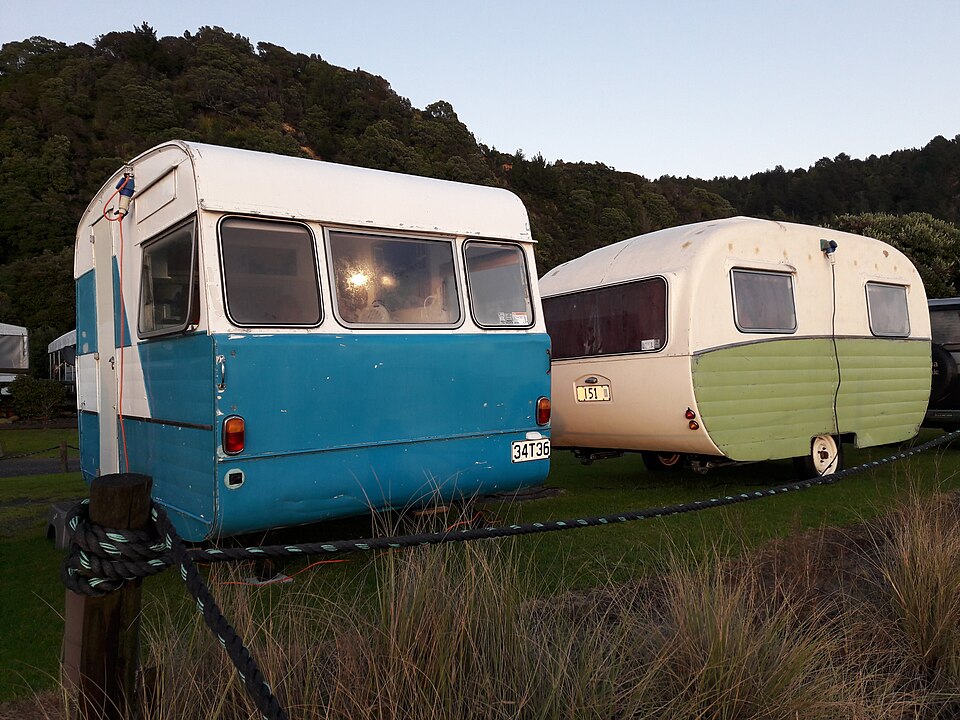
Inspect coupling, brakes and tyres
Matching weight ratings is not enough if the coupling, brake controller or tyres are unsuitable. Check the condition of hitch equipment, electrical connectors, brakes and tyres before a trip. A used caravan may also require assessment of axle bearings, suspension and significant modifications.
Do not assume an off-road styling package guarantees suitability for every unsealed road. Manufacturer exclusions, actual clearance, vehicle preparation and local conditions matter. Plan a route appropriate for the specific caravan and towing vehicle.
Review local road rules and travel plans
Rules can vary by state or territory, and road restrictions may change with weather or roadworks. Use official guidance for speed, equipment and licence questions instead of social media claims. Before entering remote areas, assess whether suitable services and safe turning space are available.
Campspot is not a towing certification service. This guide is an educational starting point and cannot confirm the safety of an individual outfit. Match the exact model documentation and seek expert assessment before towing.
Understand the terminology before comparing listings
When reading an Australian caravan advertisement, keep the stated weight terms attached to the vehicle or component they describe. ATM, GVM and other manufacturer ratings are not interchangeable descriptions of the same quantity. An advertisement may use abbreviations without explaining the relevant model or equipment. Ask the advertiser to provide the manufacturer documentation rather than trying to resolve inconsistencies using another listing.
Prepare a document file for the caravan and another for the intended tow vehicle. Record the confirmed model variants and any documented changes to the equipment. If a seller's description conflicts with the manufacturer's information, seek clarification from the appropriate source. The applicable limits and suitability of the complete combination should be assessed by a qualified professional.
Why two caravans of the same length can differ
Exterior length tells you relatively little about the equipment, construction and actual configuration of an individual caravan. A layout with different furniture, appliances or optional accessories may have a different specification from a unit with a similar appearance. When comparing used vehicles, find out which modifications have been made and whether the seller possesses the relevant records.
The camper trailers and towing overview provides background on different types of accommodation. It is useful for deciding which layouts to consider, but it does not determine whether a specific pairing of vehicles is appropriate. Keep questions about personal comfort separate from questions of equipment suitability and compliance, which need individual assessment.
Prepare for a professional assessment of the combination
When contacting a specialist, describe both vehicles as accurately as possible and provide the available manufacturer records. State what you intend to purchase and ask which information is required to assess the proposed combination. The specialist may identify additional documentation or an inspection that is needed before a reliable conclusion can be reached.
For a used caravan, an independent caravan inspection can provide useful information about its condition and previous alterations. Ask which matters are included in the assessment and whether subsequent professional work is required. Do not assume that a general condition report constitutes approval of a particular towing arrangement.
Keep Queensland, Victorian and interstate requirements distinct
If you intend to buy a caravan in one state and register it in another, obtain current information from the authorities responsible for the transaction. Ask what documentation is required for the actual vehicle and your circumstances. Keep these administrative questions separate from the professional assessment of compatibility. For seasonal ownership, also review the caravan care information when discussing future service requirements. Document the answers and the associated quotations so that the decision to buy is based on the whole set of ownership responsibilities rather than a single advertised rating.
When comparing models, record accommodation features, confirmed documentation, professional findings and estimated ownership expenses in separate columns. This prevents a particularly attractive floor plan or promotional price from overwhelming the unresolved issues that matter to the purchase.