
Begin with the trips you actually take
A compact camper trailer can be appealing when you value lighter equipment and a simple camp setup. A full-size caravan may offer more permanent living facilities, weather protection and storage, but it may require a larger tow vehicle and more parking space.
Do not choose by appearance alone. Consider how many people sleep inside, how often you move camp and whether you need a fixed bathroom, kitchen or indoor seating. A design that works for a two-night holiday may be inconvenient for extended travel.
Compare towing and setup requirements
Manufacturers use different designs, so a camper trailer is not always easier to tow and a caravan is not always heavy. Check loaded weights, hitch specifications, braking systems and the ratings of the exact tow vehicle. Pay attention to how accessories and water affect the total load.
A fold-out sleeping area or canvas section also changes the setup routine. Try the opening and closing process and consider what happens when packing away in wet or windy weather. Inspect seals, hinges, canvas and flooring carefully in a used unit.
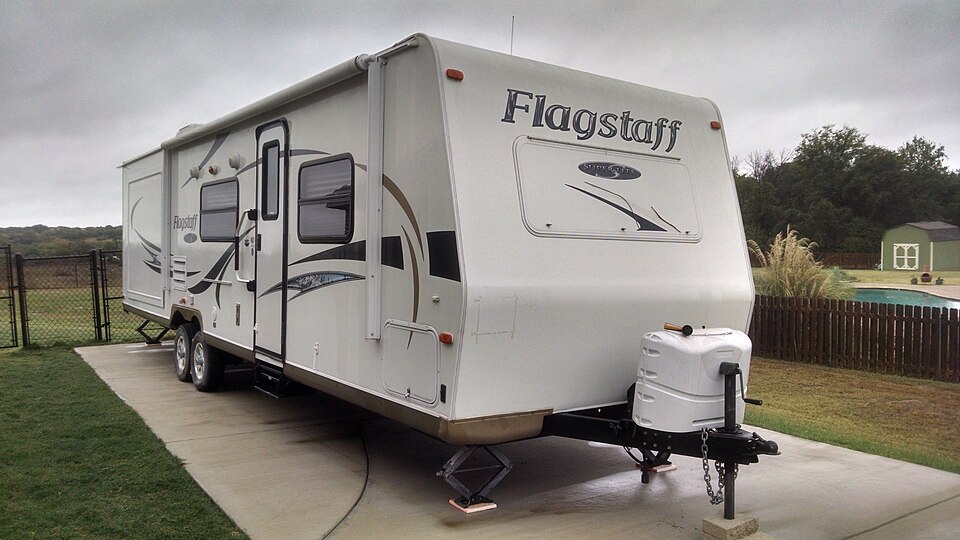
Think about access and weather
Road conditions vary widely across Australia. Some tracks, campsites or parking areas may not be suitable for long outfits. Check the vehicle's dimensions, actual clearance and manufacturer guidance before planning a remote route.
Heat, dust, rain and seasonal storms can all affect the experience. Consider ventilation, shade, storage and the ease of staying inside during poor weather. A camper trailer marketed as rugged still needs careful maintenance and appropriate operating conditions.
Budget for storage and ownership
Compare insurance, storage, annual maintenance and replacement components for each option. A simpler interior does not remove the need to inspect tyres, brakes, coupling equipment and weatherproofing. Ask what is included in an advertised second-hand price.
Campspot provides regional guides and international listings, not a guarantee of Australian stock. Verify the country and location of each advertised unit before arranging payment or collection.
Picture your campsite routine before choosing a layout
Imagine arriving at accommodation and spending the first evening there. Which belongings need to be accessible, how much indoor seating do you want, and where will everyone sleep? A camper trailer may suit a group that enjoys an open-air style of holiday, while a caravan may provide more permanent indoor facilities. The meaningful comparison depends on the exact model and on how your group wants to spend its time.
Ask sellers for a description of the sleeping arrangements and the storage spaces when all beds are occupied. If you want a separate area for quiet activities, note that requirement as part of the shortlist. Choose the features that will be used on an ordinary holiday day rather than assigning value to every extra shown in a brochure.
Consider staying at one location versus changing campsites
Some Australian holidays involve a long stay at a caravan park, with day visits to nearby towns and attractions. Other holidays involve several separate accommodation bookings. A layout that suits a long stay may offer features that are less important to someone who prefers shorter visits. Discuss the planned campsite routine with the people who will share the accommodation.
The camper trailers and towing guide introduces differences between accommodation categories. Use it to refine your preferences, then ask a qualified specialist about the specific requirements of the chosen vehicles. Do not take a general description of a camper trailer or caravan as confirmation that a particular setup is suitable for your circumstances.
Compare seasonal comfort and storage arrangements
Think about the periods in which you expect to holiday, including how much time you may spend indoors. Ask the manufacturer or seller about the intended use of the model and its documented equipment. An attractive canvas section or large living area does not by itself establish suitability for a particular season or destination. Compare the space for clothing and supplies with your ordinary holiday needs.
Obtain information about suitable storage at home or at commercial facilities, subject to local rules and the operator's actual terms. The Australian caravan care information gives a starting point for discussing the annual maintenance cycle with a professional. Include confirmed storage and maintenance quotations when comparing the costs of different layouts.
Assess used camper trailers and caravans individually
A used camper trailer and a used caravan may have very different maintenance histories. Ask for records concerning the actual vehicle, including documented alterations and the accessories included in the asking price. An independent vehicle inspection can help clarify concerns that cannot be resolved from photographs or a seller's description. Request a written explanation of the areas assessed and any unresolved issues.
When you compare prices, use the vehicle valuation guide to organise differences in model, condition and equipment. A lower asking price does not necessarily represent lower ownership costs. Keep the seller's confirmed information, professional reports and future service quotations beside the accommodation features. That way your final comparison reflects both the style of holiday you enjoy and the arrangements needed to own the chosen vehicle.